Registration is open for Faculty Learning Community: Advancing Equity in the Classroom.
Sessions begin January 2027.
Sessions begin January 2027.
This section contains EDI resources for the major governmental research funding agencies, as well as external resources on important topics to consider when conducting research.
Federal and provincial granting agencies have introduced EDI considerations into their evaluations of the research enterprise (research design, team composition, outcomes, and dissemination). The Canada Research Chairs program, the Tri-Agency, and Fonds de recherche du Québec (FRQ) have issued guidelines and statements on how to incorporate EDI principles into research funding applications.

Understand how racism impacts university research, learn how to address it, and find out how to incorporate diverse groups into your team.

Read the CRC's EDI strategy, and learn best practices for integrating equity into the recruitment and the hiring processes.

Read the FRQ's EDI strategy (2021-2026) and understand their four main objectives to advance EDI in research in the coming years.
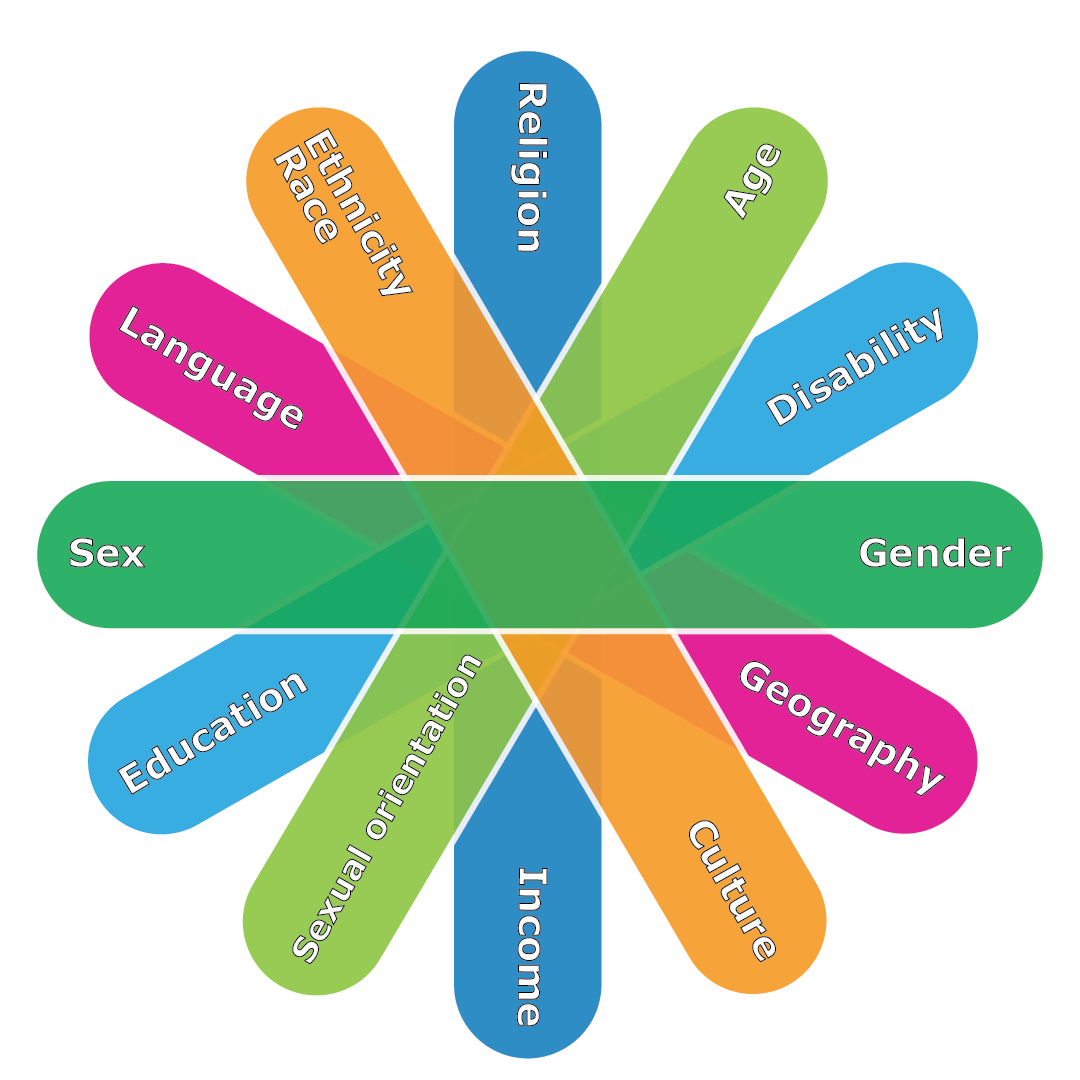
Conduct research and analysis through the lens of intersectional human identities.

Learn how to assess the inclusivity of your research teams and ensure your projects follow the principles of universal design.

Support Indigenous community-based research by aligning with Indigenous values and traditions.

Align yourself with the Tri-agencies' goal of integrating EDI considerations into all aspects of research, and find resources for each agency.
There are important topics and communities to bring into consideration when conducting university research. Learn how to integrate these topics into your research process by clicking one of the following links.
McGill University is on land which has long served as a site of meeting and exchange amongst Indigenous peoples, including the Haudenosaunee and Anishinabeg nations. We acknowledge and thank the diverse Indigenous peoples whose presence marks this territory on which peoples of the world now gather.
For more information about traditional territory and tips on how to make a land acknowledgement, visit our Land Acknowledgement webpage.