Fossils

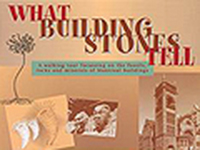
Cover of the "What building stones tell" pamphletBuilding stones and fossils of downtown Montreal

Palaeontologists seek out fossils in the most remote places on Earth, but you can find them right here in downtown Montreal – without even picking up a shovel. Built from a variety of local and imported stone, the city’s churches, offices and apartment buildings harbour a veritable compendium of fossils and geological specimens. Our Building Stones and Fossils guide will help you track them down.

NEW! Free downloadable Fossil Exploration Guide (in English). This GIS Storymap gives you a virtual tour of seven sites around McGill University downtown campus that are loaded with fossils.   


Map of fossil sitesTwenty fossil sites near Montreal

Go fossil hunting on the island of Montreal at one of these easy-to-reach sites.


The Gault reserveThe Gault Nature Reserve

A small site about the Gault Nature Reserve at Mont St-Hilaire with information about its history, geology and the animals and plants that can be found on it.


The Ordovician dioramaOrdovician life and fossils

Learn more about the creatures that lived in the warm seas of the Ordovician that covered Montreal almost half a billion years ago and the fossils that they left.

The Museum's Ordovician diorama provides more information about this time period.

Feedback

If you use the resources here, please fill out our feedback form. We appreciate your comments!

Land Acknowledgement

McGill University is on land which has long served as a site of meeting and exchange amongst Indigenous peoples, including the Haudenosaunee and Anishinabeg nations. We acknowledge and thank the diverse Indigenous peoples whose presence marks this territory on which peoples of the world now gather.


Rematriation, Repatriation and Restitution Statement

We acknowledge that the return and restitution of cultural and natural heritage to communities of origin is an essential part of reconciliation and of recognizing the fundamental rights of Indigenous Peoples. As part of wider efforts to activate the standards presented in the Canadian Museums Association Report Moved to Action: Activating UNDRIP in Canadian Museums (2022), the Redpath is working towards pro-active restitution practices. As per our Collections Management Policy (2024), repatriation requests will be received by the Redpath Museum Director and will be treated on a case-by-case basis.


Accessibility

We warmly welcome all visitors and aim to provide helpful information so you can plan your visit to the Redpath Museum with confidence.

Please note that the Redpath Museum is in a historic building that does not currently meet universal accessibility standards. At this time, there are no ramps or elevators, and access to the museum, exhibition galleries (located on 3 floors), and washrooms requires the use of a central staircase.

The building’s washrooms are gendered and located in the basement. The nearest gender inclusive washrooms are located in the McLennan Library Building (M6-37C).

Due to the architecture and open spaces, the exhibition galleries may become noisy during periods of high attendance.

Please also note that the building is not air-conditioned. During hot weather, indoor temperatures can exceed outdoor temperatures.

We recognize that these conditions may limit access for some visitors and are committed to improving accessibility over time.

If you have specific accessibility related questions, we encourage you to contact us at redpath.museum [at] mcgill.ca.


For more detailed information, please consult the Keroul 2025 accessibility report.

For more information on the status and scope of the accessibility project, please click here.

Back to top