Ready for a project with the FPDL? Tell us about your vision, idea, or challenge .
Ready for a project with the FPDL? Tell us about your vision, idea, or challenge .
Interested in developing a food product or have an existing product that you'd like to optimize? The Consortium RITA can help bring your ideas to life!
Food businesses can collaborate with McGill University Food Science students, dedicated interns, and formulation experts involved in the Consortium RITA’s Food Product Development Laboratory (FPDL) to develop prototypes and overcome product challenges.
The FPDL can help food companies develop their product model, which can be adapted for commercial production and the food market. Projects are affordable, short-term, flexible, and expertly guided. The approach is personalized and provides you with a concept that corresponds to your vision, your brand, and your target consumer.
We’re cooking up a bright future for the food industry!
Our mission is to develop collaborative projects that train and inspire students by giving them practical experience while supporting stakeholders in the agri-food sector, notably start-ups.
Upon submission of your product concept or problem, a three-month collaborative food product development project is established with bachelor's or master's students. Throughout the course of the project, the students involved conduct a market analysis, design and optimize product prototypes, and evaluate the final product’s properties before concluding with a final presentation of their results. Students are supported by Dr. Salwa Karboune and Dr. Amanda Waglay, who expertly guide them through each step.
For this type of project, the company provides a general product concept that student teams may interpret in the context of McGill University's FDSC 405 - Food Product Development course. The concept can specify certain product characteristics such as ingredients but must allow a broad ideation process to correspond to the course’s learning objectives. Student teams then refine the initial concept, prepare and analyze prototypes in several trial phases, and propose a final prototype. The teams then present their formulation, process and findings, such as sensory results, to the company.
This course is offered in the Fall term.
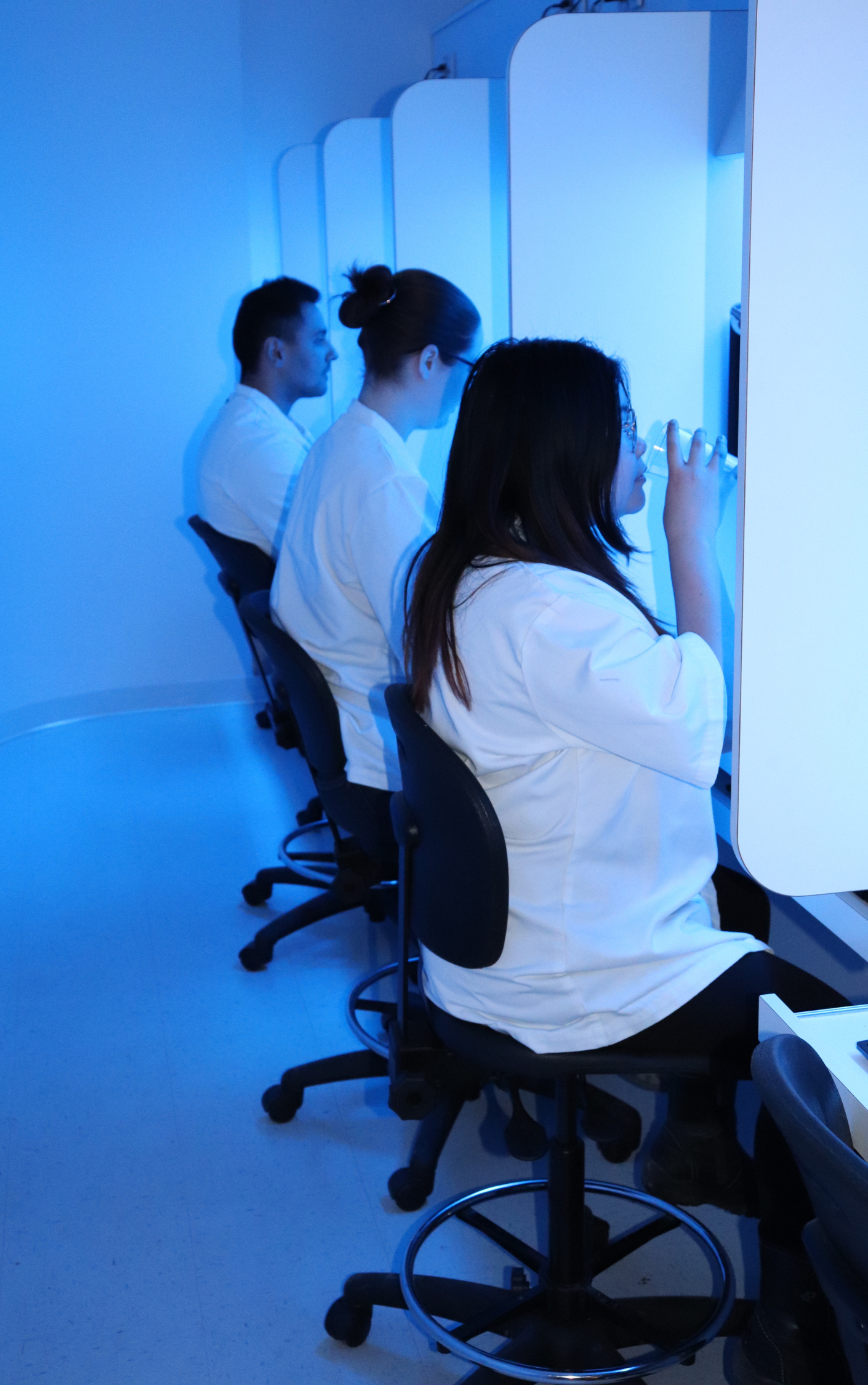
For this type of project, two types of sensory tests can be performed by student teams, either as part of McGill University's FDSC 540 - Sensory Evaluation of Foods course, or internships. Panelists are mainly comprised of students.
Discrimination testing: Students run tests such as paired comparison, triangle and/or duo-trio tests to determine if panelists can distinguish a difference between two products or prototype provided by the company. This approach is ideal to assess the impact of minor differences between samples, such as changes in ingredients (source, substitution, amount...) or processing parameters.
Descriptive testing: Students run descriptive sensory evaluation tests to determine the rating of five attributes for two (or on occasion, more) comparable products or prototypes. Attributes can include taste, sweetness, texture, hardness, overall liking, etc. Spider plots are generated to analyze and compare data.
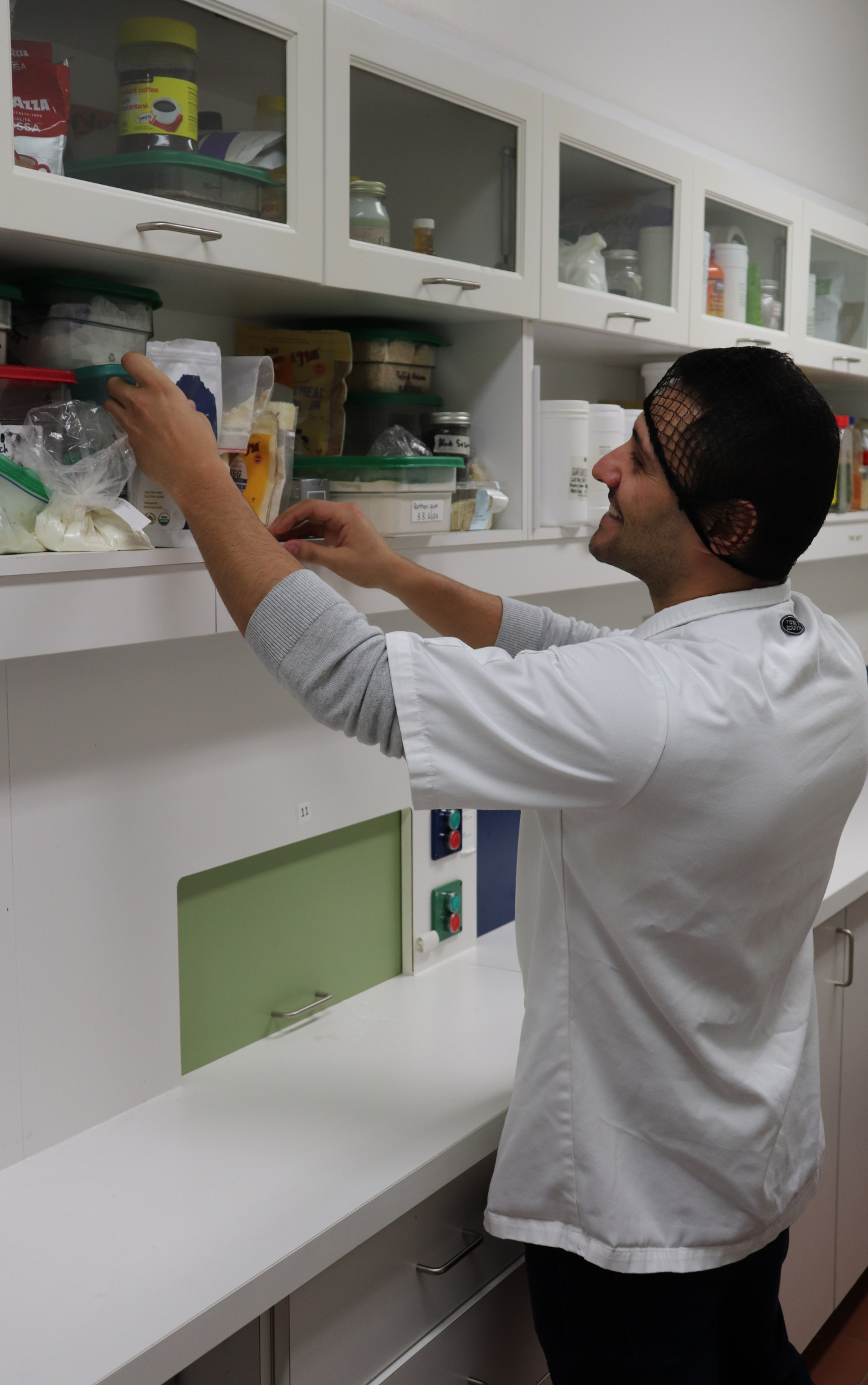
For this type of project, student interns and research assistants work on more specific objectives brought forward by an industry partner where they can explore the feasibility of a new concept, optimize a formulation, provide possible solutions to an identified problem, screen ingredients, or achieve other goals.
Most internships take place from May to August, with limited availability starting in January.
Are you a Food Science student? Are you interested in developing hands-on skills while building professional relationships in the food sector? Contactfpd.consortiumrita [at] mcgill.ca (subject: Stage%20-%20FPDL) ( Dr. Amanda Waglay) to learn more about internship opportunities in the Consortium RITA's FPDL!
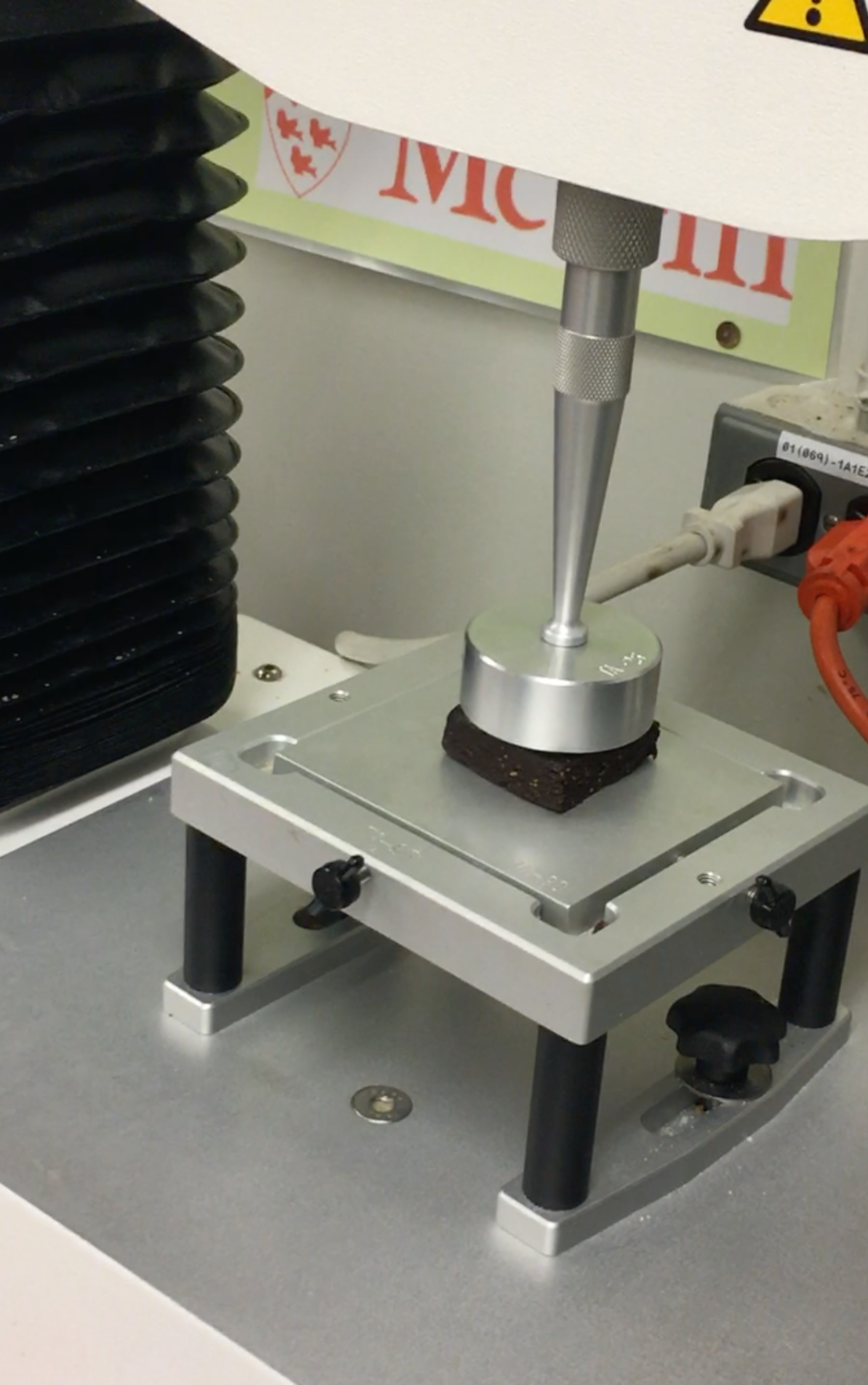
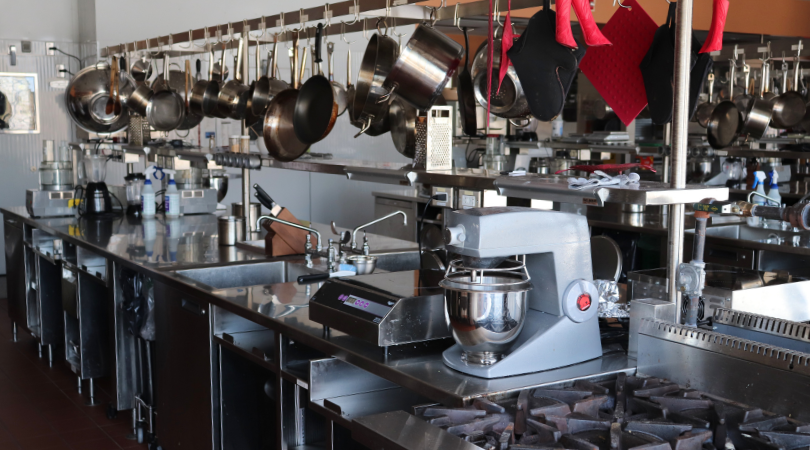
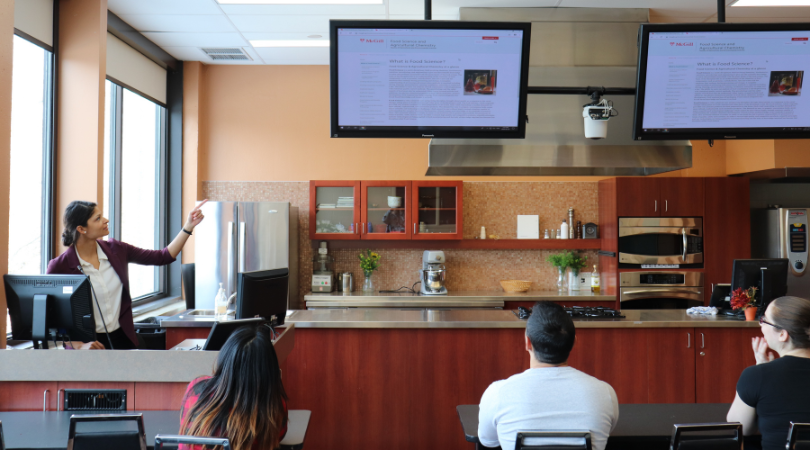
The Food Product Development Laboratory is comprised of a kitchen preparation area, a demonstration room, sensory evaluation facilities, a multifunctional space, and a laboratory equipped with processing and analysis instrumentation. These facilities allow us to undertake, within the framework of your project, a variety of approaches:
"What a great opportunity to work with the McGill Food Product Development Laboratory! The team helped us identify our problems and provided us with concrete results to better guide our thinking and product development."
- Oumou Keita
Co-founder of Limonades OFLORE
The following companies also partnered with the FPDL (and helped the next generation of food scientists develop new skills!):
Share your needs and goals with us using the link below. This will help us determine how we can best support you. We will then contact you to build a project that achieves your objectives.