Our department is characterized by a rich diversity of research and teaching. While each domain operates independently, they frequently interact and overlap, fostering interdisciplinary collaboration.
Our department is characterized by a rich diversity of research and teaching. While each domain operates independently, they frequently interact and overlap, fostering interdisciplinary collaboration.

This theme explores the rapidly evolving environment in northern regions, including examining the unique challenges of living in remote areas and the importance of research done by local communities.

This theme examines the behaviour and effects of contaminants released, directly or indirectly by human activity into the environment.
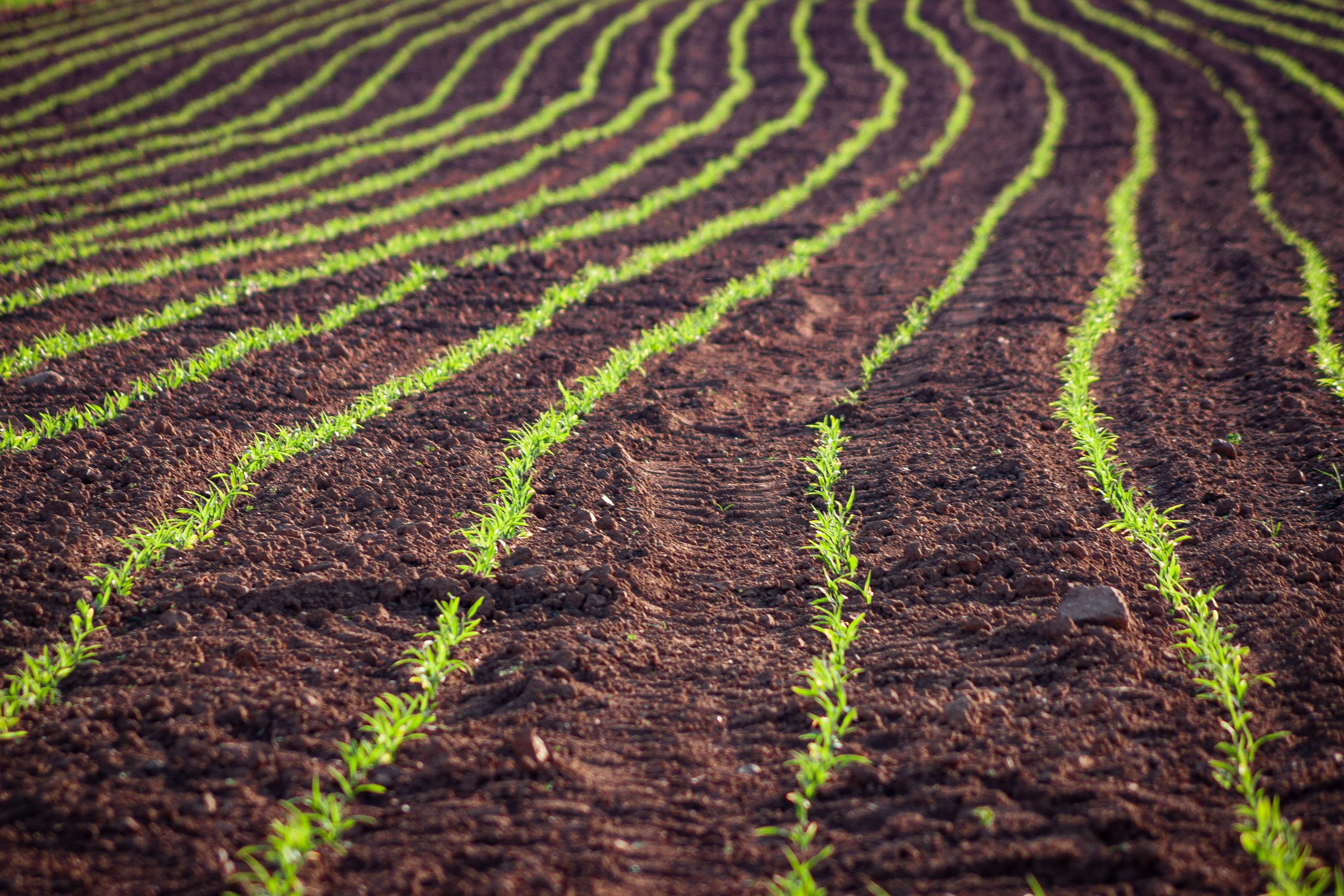
This theme explores the eco-physiology of woody plant species, soil fertility, microbial ecology, nutrient cycling, and carbon sequestration.

This theme brings combines our research in forests, entomology, wildlife and fisheries, and focuses on organismal responses to the environment and the dynamics of community and ecosystem processes that arise from them.

This theme encompasses the analysis of spatial patterns in land-surface, soil or ecosystem properties, and animal movements.

This research theme aims to understand the interactions between humans and the ecosystems they rely on.
Vehicles are available for rent to McGill faculty, staff and Teaching Assistants, as well as qualified undergraduate and graduate students (minimum 21 years old) for field courses and field trips within courses.