Netlinks: An Anglophone-Francophone network linking scholars and non-academic change agents to enhance health equity and sustainable inclusive growth in rural West Africa
The Queen Elizabeth Scholars (QES) program has funded the Netlinks project, which brings together a network of Canadian and West African researchers, staff of non-academic institutions, and businesses who work to enhance health equity and sustainable inclusive growth in rural communities. Building on two decades of collaboration between McGill University (McGill) and the University of Ghana (UG), Netlinks expands on the influence of the UG Nutrition Research and Training Centre (NRTC) as an institution of excellence in training and developing networks of interdisciplinary scholars and practitioners for sustainable development. By partnering with the Université Joseph KI-Zerbo (UJKZ) Burkina Faso, Netlinks expands collaborative research and opportunities for evidence-based policy and practice across Anglophone and Francophone contexts in the West African sub-region.
Apply to the Program

The project aims are to:
- Increase the number of Canadian and West African scholars undertaking specialized training in leadership, professional, and research skills;
- Increase meaningful engagement among current and previous Canadian and West African scholars;
- Increase scholars’ opportunities for engagement and research with non-academic partners (industry and community organizations;
- Strengthen the capacity of West African academic partners and non-academic organizations to address their priorities.
These objectives will be addressed by supporting a network of exceptional scholars from diverse disciplines (e.g., nutrition, agriculture extension, business, gender studies, and education). McGill, the UG, and the UJKZ, in collaboration with community and non-academic organizations (research placement partners), will provide training and research opportunities for this cohort of scholars.
Scholars will undertake research in two areas of focus:
- Health equity
- Sustainable inclusive growth
By the end of the project, Netlinks, through diverse training, community engagement, and RPP experiences will have expanded university/non-academic networks and will have provided opportunities to address current challenges in society. By sharing innovations in research and community extension, our scholars will strengthen the capacities of the staff in their institutions. By training interdisciplinary cross-cultural cohorts, the NRTC will enhance its ability to be a regional research-to-practice and training hub and expands opportunties for scholars to participate in research in rural West Africa in the future.
Netlinks is funded through the QES Advanced Scholars - West Africa program. The Canadian Queen Elizabeth II Diamond Jubilee Scholarships (QES) is managed through a unique partnership of Universities Canada, the Rideau Hall Foundation (RHF), and Canadian universities. The QES-AS-West Africa is made possible with financial support from IDRC.
Our Travel Guide
Our PIs
Dr. Grace Marquis
 Dr. Grace Marquis is Associate Professor in the School of Human Nutrition at McGill University (Canada) and Affiliate Associate Professor at Iowa State University (USA). She received her doctorate in international nutrition from Cornell University. Her research program began at the Nutrition Research Institute in Lima, Peru and expanded to Ghana, West Africa. Her community-based research has examined (i) determinants of diet and nutritional status of women and children living in poverty and the means by which families, communities, and societies can intervene to promote optimal feeding and caregiving. Over the last 20 years, her research group has developed cross-sector, integrated strategies that support health and growth, with a special focus on those living in rural communities. Her long-term collaboration with the University of Ghana led to the building of the Nutrition Research and Training Centre in 2010 in the Eastern Region of Ghana. Today, the Centre provides support for diverse research projects and houses the training of local and international graduate students and professional interns. Dr. Marquis was Canadian Research Chair in Social and Environmental Aspects of Nutrition for 10 years (maximum award) and received a Doctorate of Laws, honoris causa, for her contribution to tertiary education from the University of Ghana in 2013.
Prof. Richmond Aryeetey
 Prof. Richmond Aryeetey is an Associate Professor at the University of Ghana. Richmond is leading the Ghana Stories of Change in Nutrition work for Transform Nutrition West Africa and has worked in Ghana as a researcher in maternal and child health for the last 13 years. His expertise spans Primary research skills, formative research, and Monitoring and Evaluation, Training and Facilitation. Richmond’s current research projects include studies on food environment of urban-dwelling adolescents, and exploring policy options for scaling up optimal feeding among infants and young children in Ghana.
Dr. Agartha Ohemeng
 Dr. Agartha Ohemeng is a Senior Lecturer of Nutrition at the Department of Nutrition and Food Science, University of Ghana, Legon. Her research interests are MaternaI and Young Child Nutrition, School Child Nutrition, and Diet and Disease. Dr. Ohemeng has about fourteen years of experience in community-based nutrition research activities and has conducted research and published on using integrated education intervention and moringa fortificant to address complementary feeding, household food insecurity and child health, nutrition among school aged children, and nutrition among children with sickle cell disease. She is currently the Programmes Coordinator of the University of Ghana Nutrition Research and Training Centre in Asesewa and the Director of the Dietetic Internship in Rural Community Nutrition Program.
Dr. Nii Addy
 Dr. Nii Addy is Associate Director (Africa Outreach)/Senior Outreach Advisor in the office of the Deputy Provost, Student Life and Learning (DPSLL) at McGill University. In this role, he develops, manages, and assesses cross-sector partnerships, training and applied research supporting McGill Mastercard Foundation (MCF) Scholars’ transitions from academic studies to entrepreneurship and employment for impact in Africa. Dr. Addy also teaches at the Max Bell School of Public Policy and in the African Studies Program. He is an Associate Member of the School of Continuing Studies (SCS) and the Faculty of Agricultural and Environmental Sciences (FAES). He has previously been Assistant Professor (Research) at the McGill Center for the Convergence of Health and Economics (MCCHE) in the Desautels Faculty of Management, and the Institute for the Study of International Development (ISID). Dr. Addy’s interdisciplinary work focuses on institutional change in multi-stakeholder partnerships across societal sectors (businesses, public agencies, and civil society organizations) and industrial sectors (education, agriculture, nutrition, health, etc.). He combines qualitative and quantitative approaches, with the goal of informing how diverse stakeholders can work together effectively. He applies research in developing knowledge sharing tools, and in training leaders from various sectors as they engage in partnership processes for sustainable development, in Anglophone and Francophone contexts. He has been a researcher and consultant on projects for a number of organizations, including the UK Department for International Development (DFID), the World Bank, the Hewlett Foundation, Mathematica Policy Research, Inc., and ICF International. He obtained his Ph.D. from Stanford University’s Graduate School of Education, where he specialized in Organization Studies and International Comparative Education. He has a BA in Economics from Swarthmore College, and a Master in Public Affairs (MPA) from Princeton University.
Prof. Amos Laar
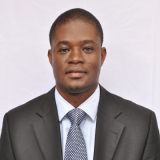 Prof. Amos Laar has academic training in Nutrition, Public Health, and Bioethics. In his independent scholarship, he draws on theoretical, conceptual, and methodological perspectives from the social sciences, bioethics, and public health to understand how physical environment, social environment, as well as structural forces affect health. Currently, his research focuses on two distinct, yet related areas of public health – bioethics (ethics & public health; health & human rights, food ethics, & nutrition rights); public health nutrition (food literacy, nutrition-related non-communicable diseases, and the nexus between food environment and health). He spent most part of the past decade exploring the socio-cultural, socio-ethical, and medico-ethical dimensions of HIV. He has led/co-led such projects as the HIV/AIDS Interactive Training, Education and Development Center Project (which developed interventions to increase uptake of HIV testing, and reproductive health literacy of students and staff of the University of Ghana); the Non-prescription Medication Use Project (which assessed multiple non-prescription medications use among Ghanaian HIV-positive persons on antiretroviral therapy). He was one of two experts/consultants who supported the development of Ghana’s ~78 million US Dollars Global Fund Grant for HIV/TB for the period 2018-2020. In 2017, he supported UNAIDS to develop Ghana’s Fast-Track HIV Prevention Roadmap. He was recently involved in the implementation of the UK-AID/Bill and Melinda Gates Foundation-funded “Dietary Transitions in Ghanaian Cities”, as well as the MRC-funded “Dietary Transitions in African Cities Project” (both projects aimed to identify how social, and physical environments drive consumption of energy dense nutrient-poor foods and beverages). He is the PI of the IDRC-funded MEALS4NCDs Project which is “measuring the healthiness of Ghanaian children’s food environments to prevent obesity and non-communicable diseases”. Prof. Laar is a Co-PI and Ghana Lead on a 5-year NIH-funded project which will establish a masters programme in Bioethics at the University of Ghana (the first of such in Ghana). Prof. Laar’s international engagements in public health nutrition include his participation in the 66th Session of the UN-General Assembly Meeting in New York, 2011; in the UN Economic Commission for Africa Expert Group Meeting in Addis, Ethiopia, 2017; in the FAO’s Future of Food Symposium, Rome, 2019, and several other international meetings. He was recently recognized in the Lancet, for his efforts at combating nutrition-related NCDs in Ghana.https://www.thelancet.com/journals/landia/article/PIIS2213-8587(19)30216-5/fulltext. His scholarly works include 68 peer-reviewed publications (one book, five book chapters, 62 Journal articles).
Dr. Ella Compaore
 Dr. Ella Compaore has a PhD. in Human Nutrition and is a lecturer at Joseph KI-ZERBO University (Ouagadougou, Burkina Faso). Dr. Compaore has been the Scaling Up Nutrition (SUN) focal person for Burkina Faso since 2017. She has also performed important roles since 2017, including the Strategic lead on the National Information Platform for Nutrition (PIN) and the West African Food Coordinator. She is also the focal person of the thematic and research program on food security and nutrition and the general secretary of the African Federation of nutrition societies (FANUS). Dr. Compaore’s expertise spans maternal, new-born, infant, child and adolescent nutrition, nutrition financing, multisectoral approaches, policies, strategies, and evaluation in the field of nutrition, and strategy building for behaviour change communication through innovative approaches.
QES-WA Program Scholars
McGill University-University of Ghana-Université Joseph KI-Zerbo QES program
Dr. Coulibaly Wahauwouélé Hermann
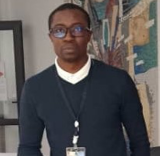 Dr. Coulibaly Wahauwouélé Hermann holds a Ph.D. in Biotechnology and Food Microbiology from the University Nangui Abrogoua (UNA), Abidjan, Ivory Coast. Since 2017, He has been a researcher at the Biotechnology and Food Microbiology laboratory in the Department of Food Science and Technology, University Nangui Abrogoua. Hermann’s doctoral research examined how to improve the quality of local beer produced from sorghum. Currently, his research focuses on probiotics and the valorization of agricultural by-products. He is a recipient of the post-doctoral research award of Agence Universitaire de la Francophonie (AUF) and the Romanian government; Eugen Ionescu in 2021 for post-doctoral research at the University of Agronomic Science and Medicine Veterinary of Bucarest, Romania. He holds certificates in sustainable development and project management. As a QEScholar, Hermann hopes to enhance his capacity in community-based research and develop his network with other researchers. As a QEScholar, Hermann will be collaborating with his Research Placement Partner (RPP), World Vision, a global non-profit organisation whose mission is to reduce gender inequality through the inclusion of gender in all areas of activity and to fight malnutrition in all its forms to contribute to poverty reduction. He will develop his skills in quantitative and qualitative survey data analysis and also have the tools to empower women and gender in the Ghanaian context. He hopes to use the opportunity to establish links and networks with people working in the field of gender, women's empowerment and nutrition both locally and internationally, for his future work.
Tapsoba Viviane Aurélie
 Tapsoba Viviane Aurélie is a nutritionist in her second year of a doctorate at the Joseph Ki Zerbo University (UJKZ) in Ouagadougou, Burkina Faso, under the supervision of Dr. Ella Compaoré. Aurélie's research thesis focuses on analysing public policies and government actions for a healthy food environment in Burkina Faso. This research project will provide indicators and information to guide public nutrition policies in Burkina Faso. Aurélie holds a bachelor's degree in agri-food obtained in Burkina Faso, a master's degree in nutrition and food security obtained at the Felix Houphouet Boigny University in Abidjan. While conducting her research thesis on nutrition policies, she began her career as a nutritionist at the Gaoua Regional Hospital Center, Burkina Faso. She enjoys helping patients have better nutrition and food habits, which is part of her entrepreneurial project for her community. The QES program will hone her leadership, research, and interpersonal skills, which will be extremely important in her career as a research nutritionist and enable her to make critical decisions to improve nutrition and nutrition policies.
Benedicta Asare
 Benedicta Asare is currently a Ph.D. Candidate at the Department of Human Nutrition and Dietetics, Kwame Nkrumah University of Science and Technology (KNUST) under the supervision of Prof. Reginald Adjetey Annan and Dr. Erick Herman Lutterodt. Her doctoral research aims to explore and understand the drivers of post-harvest losses of fruits and vegetables along the value chain and its linkage to the nutritional status of women and children. Her results are aimed to inform the development of tailored interventions to reduce food waste at the household level by educating and training mothers on preservation methods for fruits and vegetables to reduce anaemia among women and children. Benedicta completed her Bachelor’s in Dietetics and Master’s in Public Health at the University of Ghana (UG). She also has a certificate in Policy Planning and Development and Leadership and Management in Health from the University of Washington. Over the years, she has built her experience working within urban and rural communities on issues related to the health and nutrition of women and children. Benedicta’s career goal is to work with local and international organisations as an academic researcher to provide research-based interventions and policy formulation modalities in nutrition and public health to vulnerable groups in society, most especially women. Through this training, she hopes to acquire leadership and capacity building skills in women’s health, nutrition, and agriculture as well as identify conditions and best practices that will help foster successful partnerships between researchers, institutions, and policymakers. She also hopes to use this opportunity to connect and build networks with people working in the field of gender and women’s empowerment both locally and internationally for her future work. As a QEScholar, She will be collaborating with her Research Placement Partner (RPP), World Vision, Ghana, a Christian relief, development and advocacy organization dedicated to working with children, families and communities especially vulnerable people to overcome poverty and injustice. Her research objective will answer the question of “Gender inclusion strategies in mainstreaming nutrition into agriculture investments”. She hopes to use the opportunity to build networks with people working in the field of nutrition, child and maternal health both locally and internationally for future collaborations.
Michael Akenteng Wiafe
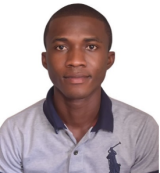 Michael Akenteng Wiafe is an assistant lecturer at the Department of Nutritional Science, University for Development Studies (UDS), Tamale-Ghana. Michael holds a BSc in Community Nutrition (UDS) and MPhil in Human Nutrition and Dietetics (Kwame Nkrumah University of Science and Technology, KNUST, Kumasi-Ghana). He is a final year PhD Candidate at KNUST investigating the effect of nutrition education and counselling on adolescents' dietary iron intake and iron status in Ghana. His research focus includes micronutrients, malnutrition, dietary patterns, dietary management and prevention of chronic diseases, therapeutic food development, nutrition in pregnancy, childhood, and adulthood. As an innovative young researcher, the QES will allow him to collaborate and network with astute and top-notch researchers in nutrition, agriculture, and other disciplines. Michael believes the best way to reverse the consequences of nutritional deficiencies and reduce poverty is to eat what we grow and grow what we eat locally. Value addition to agricultural produce is a prerequisite for entrepreneurship and community development. As a QES scholar, Michael will be collaborating with Densu Associates as his Research Placement Partner (RPP). He will review institutions and organisations focused on promoting education, skills/training and/or employment with particular attention to gender, disability and youth in the agriculture sector of Ghana. Michael will help produce a research report detailing opportunities and barriers that women, especially young women aged 15 to 35 years of diverse backgrounds (young married people, widowed, people with disabilities, displaced youth, etc) face in Agriculture in Ghana.
Dr. Alex Boadi Dankyi
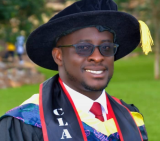 Dr. Alex Boadi Dankyi is a Research Fellow at the University of Cape Coast (UCC) in Ghana. He holds a Ph.D. in Management Science and Engineering from Jiangsu University, China and a Master in Human Resource Management from the University of Cape Coast (UCC). He is interested and has extensively researched Developmental Economics, specifically in Human Capital Development, Human Resource Management, Quality of Health Services, Energy Economics, and Organizational Innovation. He notes that community development remains a crucial component of the national development agenda and a sharpened tool for developing countries to reduce poverty gaps. Also, health and education are the most widely used proxy determinants of human capital development and, by extension, community development. As an early career researcher with a focus on developmental economics, specifically human capital development, energy economics and, by extension, community development, the QES-WA will allow him to collaborate with experts in health and education to improve his competencies in human capital development and community development.
Patience Atitsogbey
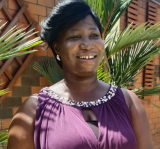 Patience Atitsogbey is a PhD Candidate at the Department of Nutrition and Food Science (NFS), University of Ghana (UG), Legon, under the supervision of Prof. Matilda Steiner-Asiedu and her doctoral supervisory committee members Prof. Agnes Budu (NFS, University of Ghana), Dr Emmanuel Kyereh (CSIR- Food Research Institute, Ghana) and Dr. George A. Annor (University of Minnesota, USA). Her doctoral research aims to explore and measure the effect of nutrition education on consumer behaviour towards using green leafy vegetables and legumes among households in the Accra Metropolitan Area and its linkage to iron and haemoglobin levels. The results will aid in nutrition policy planning and programming for poor communities in the Accra Metropolitan Area and Ghana. Patience has a Bachelor of Science degree in Community Nutrition from the University for Development Studies, Tamale and an MPhil in Nutrition from the University of Ghana, Legon. She also holds a certificate in Food Systems Transitions from the University of Stellenbosch, Institute of Sustainability, South Africa, and a food safety and nutrition certificate from the University of Leeds, UK. She is a Fellow of the African Climate Change Adaptation Initiative (ACCAI) and a UG- Nestle Scholar. Patience has gained her experience over the years by working and researching in poor communities in Ghana on nutrition, food security and climate change, food safety, and health. She aims to improve food and nutrition security and the overall health of households, specifically targeting men, women, adolescents’ girls, and children. As a QES Scholar, she aims to improve her research skills in quantitative and qualitative data analysis, enhance her leadership capacity, and acquire knowledge and skills to improve households' livelihood in poor Ghanaian communities, which will be extremely useful for her research and future work. Patience looks forward to using this opportunity to network and collaborate with other researchers working in nutrition and health both locally and internationally. As a QEScholar, Patience will be collaborating with World Vision Ghana as her Research Placement Partner to develop a policy brief on strategies needed to address inequity in young child undernutrition in Ghana.
Dr. Carmelle Mizéhoun Adissoda
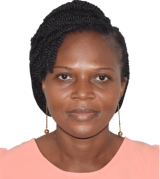 Dr. Carmelle Mizéhoun Adissoda is a Lecturer at the School of Nutrition and Dietetic/ Faculty of Health Sciences at the University of Abomey-Calavi (UAC). After her Pharmacy’diploma at University of Cheikh Anta Diop (UCAD), Senegal, Dr. Mizéhoun A. continued her studies in nutrition (Master’s degree in human nutrition) convinced of its importance as a determinant of the health status of populations and an important factor of development. She also holds a PhD in Public Health/Nutrition and a university diploma in Clinical Research from the University of Limoges-France. Her work focuses on levels of intake of micronutrients (Iodine, sodium, potassium, vitamin D) and their relationship with the nutritional status of populations; the development and validation of tools for assessing food consumption and nutritional status in the black population; food and nutritional risk factors for non-communicable diseases (glycemic index of local foods, obesity, and determinants). As a QES scholar, Carmelle will collaborate with World Vision, Ghana as her Research Placement Partner. She will contribute to a project that underlines the strategies which could address inequity in young child undernutrition in Ghana.
Naim Saturnin
 Naim Saturnin holds a BSc in Biochemistry and Food Technology and an MSc in Biochemistry, Nutrition, and Food Safety. He is currently a Ph.D. student in Biochemistry-Nutrition and Food Safety at the University of Dschang in Cameroon. He is a laboratory technician at the Food Quality Control Center of Chad (CECOQDA). His doctoral research work in the field of microbial biotechnology is under the supervision of Professor Kaktcham Pierre Marie. His doctoral project focuses on standardising the fermentation process of a traditional fermented drink, 'buli-bili,' with well-characterised strains of lactic acid bacteria and yeasts with functional and technological properties to extend the shelf life and improve the nutritional status of consumers.
Sylvia Nwabuko
 Sylvia Nwabuko is an Urban and Regional Planning doctoral student at the Obafemi Awolowo University, Ile-Ife, Nigeria. She is also the Project Director of Daisyl-Emma Enterprises, an agro-based outfit dedicated to producing, processing, and marketing farm produce and training in entrepreneurship. She has a passion for community development and is involved in volunteering and sensitisation of young women to venture into agriculture. She believes supporting and empowering young women to go into agribusiness would significantly reduce hunger. Having worked with small-scale farmers, she understands the challenges of small-scale farming. During her mandatory National Youth Service Programme in 2015, she participated in the "Operation Eradicate Hunger" project, where small-scale female farmers were encouraged to grow food for themselves to reduce hunger. Sylvia has been involved with Catering Craft Practices (Nigeria Institute of Hospitality and Tourism, 2015) and the Agribusiness Capacity Building Program (Davichi Empowerment Initiative, Nigeria National Petroleum Company, Total Upstream Nigeria Limited, 2018), and providing safe and affordable housing. In Kampala, she participated in the Summer School on 'landscape ecology for improved sustainability and societal equity of social-ecological systems in Sub-Sahara Africa'. Sylvia believes integrating and promoting community development, entrepreneurship, and gender equity will foster sustainable growth and development.
Dr. Phillis Addo
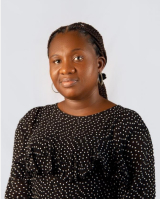 Dr. Phyllis Addo is a public health nutrition lecturer at the Department of Family and Community Health at the University of Health and Allied Sciences (UHAS). She holds a PhD in Nutrition and Food Safety (Public Health Option) from the West China School of Public Health at Sichuan University. She graduated from the University of Ghana's Nutrition and Food Science Department with a Bachelor's degree in Nutrition and Food Science and a Master of Philosophy in Nutrition. Her research focuses on child and adolescent nutrition, the food environment, and non-communicable diseases (NCDs). She is particularly interested in policy actions and interventions to control unhealthy diets and related NCDs in the context of the broader food systems. Phyllis was a postdoctoral fellow with the Measurement, Evaluation, Accountability, and Leadership Support for Noncommunicable Disease Prevention Project (MEALS4NCDs) before joining UHAS, where she contributed to research on the Ghanaian school food environment. Her doctoral research looked into trans fatty acid exposure in Ghanaian diets, specifically deep-fried foods. She currently serves on the Multisectoral Technical Working Group on Trans-Fatty Acids in Ghana.
Oluwadamiola Moyin Oso
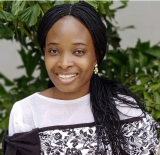 Oluwadamilola Moyin Oso is a PhD student specialising in poultry production (welfare option). She obtained her Master's degree in livestock science and sustainable environment at the Centre of Excellence in Agricultural Development and Sustainable Environment, Federal University of Agriculture, Abeokuta, Nigeria. She is a career-oriented individual whose focus is to enhance poultry research advancement in Africa by transferring theoretical knowledge into context-based practical solutions. Oluwadamilola is a World Bank Scholar who understands that the success of national food production and security depends on the success of the grassroots producers, therefore, she actively engages the rural farmers. She is an animal welfare scientist and a climate change ambassador who participates in community development and agricultural extension-related services, equipping rural farmers with the right knowledge about how great animal care and well-being will help them achieve maximum productivity even in the face of the changing climate. Oluwadamilola aims to inspire young adolescents and facilitate various programs within and outside the shores of her home country to motivate teens and tweens. She currently seeks to mentor young girls in agriculture and its related vocations.
Marcellin Awouminassi Atakoun
 Marcellin Awouminassi Atakoun is currently a PhD candidate in Climate Change and Land Use (CCLU) under the West African Science Service Centre on Climate Change and Adapted Land Use program at the Kwame Nkrumah University of Science and Technology, Kumasi, Ghana. He has an MSc in agronomics sciences, specialising in Soil-Water Environment and Modelling. He has been part of the Hydraulics, and Environmental Modeling Laboratory (HydroModE Lab, Faculty of Agronomy, University of Parakou) researcher's team in collaboration with the Centre de Coopération Internationale en Recherche Agronomique pour le Développement, Montpellier, France to work on cover crops' contribution for conservation agriculture in Northern Benin. He is also a research assistant at the Integrated Production Systems Innovation Lab and Sustainable Land Management, University of Parakou, Faculty of Agronomy. He was privileged to work on biochar amendment under maize and cotton culture in Benin.
Dr. Ofonime Eyo
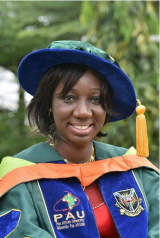 Dr. Ofonime Eyo is a researcher passionate about Climate-Smart Agriculture, Mitigation/ Adaptation studies and Sustainable Development. She obtained a PhD in Environmental Management from the Pan African University (PAULESI) Nigeria, under the African Union Merit Award. She was nominated for the Norman Borlaug fellowship by the Indian Council for Agricultural Research, where she obtained a Master's degree in Agricultural Economics from the Tamil Nadu Agricultural University Coimbatore, India. In 2018, she was nominated a CLIFF-GRADS Fellow (https://globalresearchalliance.org/n/cliff-grads-awardees-2018/) for a project at the International Maize and Wheat Improvement Center Bangladesh. During this experience, she received hands-on training for a "Participatory Integrated Climate Services for Agriculture (PICSA)" at Khulna. Dr. Ofonime has been involved in conferences and workshops within and outside the country and was actively involved in the Global Climate Smart Agriculture Conference in October 2019 in Bali, Indonesia. She has completed the Climate Governance, Diplomacy and Negotiations Leadership Program sponsored by the African Group of Negotiators Expert Support. She has learned and applied qualitative and quantitative methodologies in her past research and has voluntarily contributed to research at the Nigerian Meteorological Agency.
Myriam Yasmine Baguignan
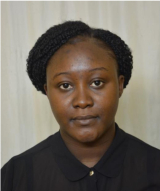 Myriam Yasmine Baguignan is a doctoral student researcher in Energy at the Department of Chemical, Food and Environmental Processes Sciences of the Institut National Polytechnique Félix Houphouët-Boigny. Her area of interest focuses on sustainable development-oriented local initiatives in African countries and the improvement of living conditions of populations through green and renewable energies. She has technical skills in designing, installing, and managing green energy systems. Her research focuses on waste management and bioenergy recovery to enable Africa to develop a more competitive industry. She has worked to bring technical and organisational expertise to industries for energy optimisation to create sustainable transformation processes. She has also worked on developing and vulgarising innovative waste treatment solutions from agro-industrial processing industries to add value and strengthen local economies through the circular economy.
Dr. Djekic Ivankovic
 Dr. Djekic Ivankovic is a pharmacist who completed her PhD in biochemistry and nutrition at the University of Belgrade in collaboration with McGill University. She applied her expertise in the field of nutrition to global health issues at the Institute of Medical Research in Serbia. Her PhD research on vitamin D in maternal and child health paved the way for a proposed national vitamin D food fortification program in Serbia. As a part of her postdoctoral experience in the context of the COVID-19 pandemic, she joined the COVID-19 Immunity Task Force, provided support to pandemic research in Canada, and shed light on immune responses to SARS-CoV-2. Marija is currently working in the Office of the Director of the School of Population and Global Health (SPGH) at McGill University. In this capacity, she charted the strategic & operational plan for the SPGH and has led the development of key projects related to food security and nutrition in Ghana. Marija's interests lie in maternal and child health, nutrition, the consequences of malnutrition, and interventions to improve in resource-limited settings, micronutrient deficiencies, stunting, and other health outcomes. She is passionate about innovative educational approaches and knowledge mobilisation for health promotion and protection.
Essoyomèwè Adamagnon
 Essoyomèwè Adamagnon is a PhD student at Université de Lomé. Her research is focused on Arts and Literary studies, an African literature specialist. She has over five years of experience in youth education and community development projects. She organises workshops and seminars on good practices for the consolidation of peace and social cohesion centred on gender, female leadership, responsible citizenship, and open-mindedness. Her vision is to lift young people to become financially and intellectually independent and make communities free of violence by advocating for mutual respect, tolerance, and the promotion of gender equity. Essoyomèwè worked as the project manager and programme development specialist at Style Her Empowered (S H E), where she educated girls and empowered women to help them thrive, uplift them, and help them to contribute to the development of their communities. She is a YALI alumnus from the Regional Leadership Centre (Nigeria cohort 4) in the civic leadership track, 2018. Currently, she is an active member of the Women's International League for Peace and Freedom (WILPF-Togo). She founded the Ambassadeurs de la Culture, de l'Education, de la Santé et du Sport (ACESS) in 2021.
Dr. Justina Serwaah Owusu
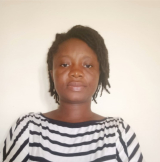 Dr. Justina Serwaah Owusu is a lecturer at the Nutrition and Food Science Department at the University of Ghana. Her research interest spans capacity assessment and building and evaluating malnutrition programs and interventions to improve the quality of life in diabetes and cardiovascular diseases.
Boateng Bannerman
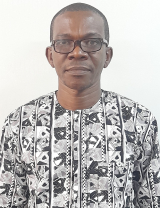 Boateng Bannerman is a doctoral student at the School of Public Health, University Ghana, Legon. He has a Bachelor’s and Master of Science degree in Computer Science. He has worked on various nutrition-related research projects at the University of Ghana and with international and local non-governmental organizations. His skills and competencies span project coordination and several academic software applications. His doctoral research work focuses on developing an electronic food atlas to aid in adolescent dietary assessment in Greater Accra in Ghana. As a graduate research assistant, Boateng is currently engaged in the Nudging for Good Project at the Nutrition Department, Noguchi Memorial Institute for Medical Research. The project focuses on using Artificial Intelligence diagnostics and behaviour change to improve the diets and nutrition of adolescent girls. As a QEScholar, he hopes to gain insight, acquired through meaningful interactions, to enable him to design interventions that resonate with the community and inspire lasting behavioural changes.
Dr. Djinta LITAABA-AKILA
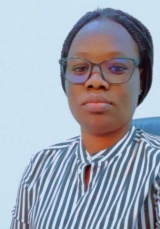 Dr. Djinta LITAABA-AKILA holds a Ph.D. in Economics from the University of Lome (UL), Togo. Since 2018, she has been a research assistant at the Center for Research and Training in Economics and Management (CERFEG) in the Faculty of Economics and Management, University of Lome. Djinta’s doctoral research examined the oligopsony power in the coffee and cocoa markets of Togo. She is a recipient of the post-doctoral research award of Agence Universitaire de la Francophonie (AUF) and the Research Training Program for Young Francophone Economists (FORJE) in 2023. As a QEScholar, Djinta hopes to enhance her capacity in community-based research and develop her network with other researchers.
Adou Sonia
 Adou Sonia holds a Ph.D. in Applied Economy from the Inter-university Postgraduate Program in economics called “One Hundred Women PhD graduates by 2025 in French-speaking Africa”. She is passionate about food and nutrition security and rural development, including the development of food and agriculture value chains. Her research focused on the contribution of governance, agri-food global value chain, and financial inclusion in the fight against food insecurity in Sub-Saharan Africa. She obtained her master’s degree in Rural Economy at the University Felix Houphouet Boigny (Abidjan), after which she joined the CGIAR’s “Humidtropics” project for the analysis of cassava value chain in Southwest Cote d’Ivoire.
In 2022, She participated in the summer school organized by Kiel Institute and the University of Lomé on Agricultural transformation and global value chain in West Africa. In May 2023, she successfully took part in the postgraduate training course “Food Chain in Agriculture” (at the University of Applied Science, Germany) and the TROPENTAG conference in Berlin on the topic “Competing pathways for equitable food systems transformation: trade-offs and synergies”.
She is currently working with the German Institute of Development and Sustainability (IDOS) to develop a research proposal on the Agri-food global value chain in Sub-Saharan Africa. She has clearly understood that the success of applied economic research depends on a good understanding of the challenges faced by local populations, hence her commitment to rural communities. She is confident that to achieve food security, the transformation of our food systems is essential with a particular focus on cross-cutting issues such as climate change, biodiversity, and gender inequalities.
Dr. Aïcha Tiendrebeogo
 Dr. Aïcha Tiendrebeogo holds a Doctorate in Applied Economics from Thomas Sankara University. She is currently a lecturer and researcher at the Polytechnic School of Ouagadougou. She participated in an inter-university postgraduate program (PTCI), which brings together eighteen Francophone African countries. She has extensive knowledge of economic research with scientific publications published in peer-reviewed journals. She is a member of the African Economic Research Consortium (AERC). She is particularly interested in the growth/development of the informal economy, climate change, and gender-related inequalities in developing countries.
Vincent Adocta Awuuh
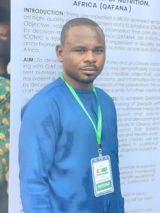
Vincent Adocta Awuuh has a Bachelor of Science in Community Nutrition from the University of Development Studies in Tamale, Ghana. He holds an MPhil in Human Nutrition from Kwame Nkrumah University of Science and Technology (KNUST), Kumasi, Ghana, and a Master of Arts in Health Education from the University of Cape Coast. He is currently pursuing his Ph.D. in Human Nutrition and Dietetics at KNUST. He is a founding member of the Ghana Academy of Nutrition and Dietetics and Health Tutors Association of Ghana.
He is a Senior Tutor and Head of the Allied Health Department at the College of Nursing and Midwifery, Nalerigu. His responsibilities include curriculum development, research coordination, examination oversight, and ensuring the provision of nutritious meals to students. In addition to his work at the College, Vincent has worked as a dietetic intern at the Bolgatanga Regional Hospital, and dietetics clinical rotations at Ridge Hospital, Accra, Korle-Bu, and Tamale Teaching Hospitals. These experiences have honed his skills in dietary counseling and patient care.
He has presented research findings at various conferences, emphasizing the importance of community-based nutrition education and its impact on maternal and child nutrition. His dedication extends to advocacy for the utilization of iodized salt and the necessity of exclusive breastfeeding and appropriate complementary feeding for child survival. Vincent's professional aspiration is to work as a top-tier health researcher in Ghana and Africa. His areas of interest in nutrition research include food systems, personalized nutrition, maternal and child nutrition, and nutrition interventions.
Lilian Kabukuor Manor
 Lilian Kabukuor Manor is a third-year PhD candidate at the University of Ghana, in the Department of Nutrition and Food Science. Her doctoral research focuses on food security among female smallholder farmers in the Ajumako Enyan Essiam District of Ghana. Lilian has previously worked in diverse roles, in the areas of health, nutrition, research, and administration. She is currently a Scientific Officer at the Ghana Standards Authority in the Codex Alimentarius Contact Point Office. She is the current secretary to the Codex Committee on Nutrition and Foods for Special Dietary Uses (CCNFSDU) in Ghana. She is also a member of a UNICEF Ad hoc committee of Expert Group consultation on the development of draft norms on commercial complementary foods for their use in West Africa. Lilian has a BSc. in Nutrition and Food Science from the University of Ghana, an MBA from the Paris Graduate School of Management, and a Master of Applied Health Research from the University of New Brunswick, Canada. She is expected to graduate in August 2025 with a PhD in Nutrition. After graduation, she plans on starting a new chapter of her career in agripreneurship. She is keen to continue working with women in agriculture to help them build capacity.
Agbemavor Korsi Fiagbe
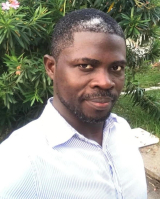 Agbemavor Korsi Fiagbe is a PhD candidate at the Department of Economics, University of Ghana under the supervision of Prof. Eric Osei-Assibey (Dean, International Programmes), Prof. William Baah-Boateng (Head, Department of Economics) and Dr. Wassiuw Abdul Rahaman (Lecturer) all at the University of Ghana. His doctoral research explores the nexus between fiscal decentralization and local development in Ghana. The thesis examines the linkage among grants, local revenue, and poverty in Ghana. Korsi has an MPhil in Economics and a Bachelor of Arts in Economics with Philosophy from the University of Ghana. He also has certificates in Inclusive Growth and Fiscal Policy, and Energy Subsidy Reform from the International Monetary Fund (IMF) Institute. He has gained rich experience in local community development by working with agencies in Ghana to provide sustainable sources of water, good sanitation, and efficiency in the production of potable water for local communities. His research areas include natural resources and environment, poverty and inequality, health economics, and inclusive growth. For him, QES-WA provides a valuable opportunity to meet researchers in the field of health and community development from academic and non-academic organizations that would expose him to interdisciplinary research. As a QES Scholar, he will have the opportunity to participate actively in community engagement with farmer-based organizations and rural farmers to understand development challenges from the perspective of the local indigenes.
Wilfried Mahounakpon Tossou
 Wilfried Mahounakpon Tossou is a PhD candidate at the University of Parakou (Benin) and the University of Göttingen (Germany). Wilfried holds a master's degree in human nutrition and food security from the University of Abomey-Calavi (Benin). By collaborating with institutions such as Care Benin/Togo, the World Food Program (WFP), the Institute of Research and Development (IRD), and the National Food and Nutrition Council (CAN), he participated in research works to improve the nutritional status of people in communities, particularly children under 5 years old, school-age children and women of childbearing age. His various training and experiences have enabled him to acquire the skills necessary to understand in depth the relationships between agriculture, food systems, and nutrition. He also has skills in designing programs for nutrition-sensitive agriculture and food systems, analyzing the nutritional situation of populations, dietary consultation, and collecting and analyzing food consumption data.
Dr. Amadou K. dit Amobo Waïgalo
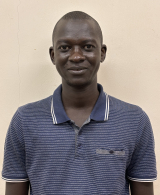 Dr. Amadou K. dit Amobo Waïgalo holds a Doctorate in Agricultural Economics from the Higher Institute of Training and Applied Research of Bamako, Mali. He is a lecturer and Head of the Department of Teaching and Research in Agribusiness, Water, Environment, and Renewable Energy at Ségou University (Université de Ségou), Mali. He holds a Master’s degree in Agricultural Economics from the University Thomas Sankara (former University of Ouga 2), Burkina Faso. His research focuses more on food security in the Sahel countries affected by armed conflicts, climate change, environmental economics and natural resources management, and production and consumption decisions.
Iliassou Mogmenga
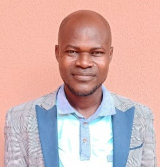 Iliassou Mogmenga is a lecturer and researcher at the Centre Universitaire de Banfora, Université Nazi BONI in Burkina Faso. He is a young researcher who is part of the Food Biotechnology and Human Nutrition (BioANH) research team at the Laboratoire de Microbiologie et de Biotechnologies Microbiennes (LAMBM) of the Centre de Recherche en Sciences Biologiques Appliquées et Nutritionnelles (CRSBAN). Dr MOGMENGA's expertise covers food processing, evaluation of the hygienic and nutritional qualities of formulated foods, and research into new types of food with high nutritional value to help combat multi-deficiency malnutrition. Dr MOGMENGA's current research focuses on probiotics derived from local foods in Burkina Faso and their application to improve food quality.
Vida Korleki Nyawornota
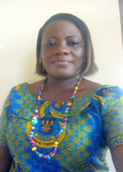 Vida Korleki Nyawornota is an assistant lecturer with the Physical Education and Sports Studies Department at the University of Ghana Legon. She is a final year PhD student of the Regional Institute for Population Studies at the University of Ghana. She obtained her MPhil in Health Policy Planning and Management from the School of Public Health at the University of Ghana Legon in 2010 and a Bachelor of Education in Physical Education in 2002 at the University of Education, Winneba. Her Ph.D. thesis focused on the perceived neighbourhood environment and physical activity in Ghana to examine how neighbourhood environment attributes influence the physical activity behaviour of Ghanaians. Findings from the study will help promote and increase physical activity levels towards reducing the high rate of inactivity, sedentary behaviour, and related risk of non-communicable diseases (NCDs)in Ghana,
Vida is a member of the Active Healthy Kids Ghana (AHKG), a team that published the 2014, 2016, and 2018 Ghana Reports Card on Physical Activity for Children and Youth. She is an international trainer for the Youth Sport Trust International UK (YSTI UK) and has undertaken youth sport development projects and pedagogical training in Bahrain, Oman, the Kingdom of Saudi Arabia, Paris, the United Arab Emirates (UAE), and Ghana. She also collaborated with UNICEF, the British Council, and the Ghana Education Service for Ghana's youth empowerment training program.
Her research interests include children and adolescent physical activity, overweight, the built environment, and active transportation. She is also interested in youth empowerment through sports. She is passionate about developing entrepreneurial and life skills in the youth using the power of sports and physical activity.
Through QES scholar training, Vida hopes to improve her research and teaching skills, acquire new skills in community capacity building and youth empowerment especially females, and be mentored by experts to build her capacity. QES training will also provide her an opportunity to network and collaborate with other researchers from diverse backgrounds.
Jane Appiaduah Odei
 Jane Appiaduah Odei is a doctoral student at the University of Ghana, Nutrition and Food Science Department. Her current research is focused on non-communicable diseases among school-aged children in Ghana.
She holds an MPhil student in the same department and worked on factors associated with exclusive breastfeeding of Ghanaian twins where she found that mothers with twins exclusively breastfed far less than mothers with singleton babies. This discovery strengthened her resolve to support and encourage mothers with infants and young children, especially those with twins, to persevere in exclusive breastfeeding despite challenges that may come up. She has interests in maternal, infant, and young child research and intervention research to curb non-communicable diseases in children.
Sarah Cooper
 Sarah Cooper is a doctoral candidate in public health (specializing in global health) at the Université de Montréal School of Public Health. She holds a Master's degree in Family Medicine (McGill University) and a Bachelor's degree in Chemistry (McGill University). Her research interests include maternal health, evaluative research, public policy, structural determinants of health, and mixed methods. More specifically, as part of her doctoral thesis, she is working on a mixed methods project aimed at integrating women's perspectives into the evaluation of the quality of maternal health care, in the hope of assessing the effects of a policy of free health care for women of childbearing age in Burkina Faso.
Throughout her doctoral studies at ESPUM, Sarah has been a valued member of Dr Thomas Druetz's research team. This experience allowed her to contribute to various projects in Burkina Faso, Benin, and Haiti, enriching her understanding of global health dynamics. Her doctoral research was funded by the Fonds de recherche du Québec Science, the Queen Elizabeth Scholars Program, Hyegia Observatoire, and the RRSPQ.
Zeenat Adams
 Zeenatu Suglo Adams is a diligent food scientist and entrepreneur pursuing her PhD in Food Science and Technology at the Kwame Nkrumah University of Science and Technology (KNUST), Department of Food Science and Technology. With a wealth of experience in the food industry, she has refined her expertise through diverse roles, including as a lecturer at Ho Technical University and as the CEO and Founder of Pneuma Food Scientifics (PFS), an innovative consultancy firm specializing in food safety and quality management.
Driven by her passion for research and entrepreneurship, Miss Adams has made significant contributions, particularly in exploring alternative gelling polysaccharides such as tamarind kernel xyloglucans. These underutilized polysaccharides have the potential to revolutionize the food industry by providing viable alternatives to commercial pectin. PFS's product line includes Shemah Instant Rice Porridge and Fibrelicious High Fruit Fibre Porridge, which reflect Miss Adams's commitment to delivering consumers safe, healthy, and high-quality food options. In addition to her entrepreneurial endeavors, Miss Adams is deeply involved in training and capacity building, having trained over 200 businesses in good manufacturing practices (GMP) and HACCP. Her expertise extends to product development, project management, and mentorship, showcasing her multifaceted approach to addressing challenges in the food industry.
Through her work at PFS and academic pursuits at KNUST, Miss Adams continues to make significant contributions to advancing the food industry, driving innovation, and promoting food safety and quality on both local and global scales.
Afua Ayewa Tenkorang
 Afua Ayewa Tenkorang is currently pursuing a PhD in Population Studies with a solid background in community development, entrepreneurship, and gender equity. Her research interests encompass social health dynamics, adolescents, women, body mass index, sexual behavior, and autonomy.
Ms. Tenkorang holds an MA in Population Studies from the University of Ghana and a BED in Mathematics with a Physics minor from the University of Cape Coast. She has a strong foundation in both quantitative and qualitative research methodologies. Her extensive experience spans various academic and field roles, including her position as a Field Supervisor on the QES program, “Examining the Effect of Household Headship on Women’s Household Decision-Making Regarding Health and Nutrition”.
Ms. Tenkorang is currently a Teaching Assistant at the Regional Institute for Population Studies, University of Ghana. She has previously worked as a Monitoring and Evaluation Officer at the Ghana Statistical Service and as a Team Leader for the DeliverEd project at ISSER. In these positions, she continuously displayed leadership, project management, and data analysis abilities. Her responsibilities have included creating monitoring frameworks, directing teams, and communicating with educational and government stakeholders. Ms. Tenkorang has actively participated in community-focused programs, partnered with the Coalition of Domestic Election Observers to educate individuals about voter involvement, and supported parliamentary activities as a Program Officer with the STAR-Ghana Programme. Her volunteer work as a teacher in local schools emphasizes her dedication to education and community service.
Passionate about community development, entrepreneurship, and gender equity, Ms. Tenkorang’s academic background, professional experience, and volunteer activities have equipped her with the skills and knowledge to contribute meaningfully to these areas. She is enthusiastic about the QES program’s capacity-building, mentorship, and community engagement opportunities, which align perfectly with her career aspirations. Ms. Tenkorang looks forward to collaborating with diverse stakeholders to promote sustainable and inclusive development initiatives in Ghana and beyond.
Dr. Gbekley E. Holaly
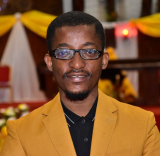 Dr. Gbekley E. Holalyholds a Ph.D in Medical Biology and a Master's in Education and Training. He is a Medical Biologist and Assistant Professor of CAMES in the Department of Biochemistry-Nutrition Faculty of Science at the Higher School of Biological and Food Techniques (ESTBA) of the University of Lome, Togo. He studied Medical Biology and Biotechnology (University of Lomé, Togo), Molecular Biology (University Joseph Ki-Zerbo I, Burkina-Faso), Ethnopharmacology (Togolese Society of Ethnopharmacology and French Society of Ethnopharmacology), Pedagogy of Education and Training (University of Lomé, Togo and Cadi Ayyad University Marrakech, Morocco) and Civic Leadership at the Center for Educational, Social, Political and Sustainable Development Expertise ( CEESPoD, Togo) of African Institute of Biomedical, Agri-Food, Societal and Environmental Sciences (IASBASE), Lomé, Togo.
As an early career researcher, the QES program will allow him to collaborate with experts in Health Sciences, education, and training to improve his skills in health sciences and nutrition. In addition, this program will lead to performance in Entrepreneurship-Leadership-Civism: an important aspect of our socio-political societies' cultural and economic environment and socio-political dialogue on development systems in development sectors.
Norbert Ndaah Amuna
 Norbert Ndaah Amuna is a lecturer and Public Health Professional at the esteemed Fred N. Binka School of Public Health, University of Health and Allied Sciences in Ho, Ghana. His expertise spans Nutrition, Women's Health, Children's Health, and Adolescent Health.
Currently, his research explores critical issues in low-income settings, including nutrition and food insecurity, sustainable healthy diets, the Impact of fast-food and sugar-sweetened beverage advertisements on adolescents, and HIV and nutrition.
Through his work, he aims to improve the health and well-being of vulnerable populations in Ghana and beyond, particularly women, children, and adolescents. He has taught and supervised many students on various research projects.

