Marcel Behr
MD, MSc, FRCP(C), FAAM, FASCI, FACHS, FRSC
Director: McGill Interdisciplinary Initiative in Infection and Immunity
Dr. Marcel Behr is Professor of Medicine at McGill University, Director of the Division of Infectious Diseases, Founding Director of the McGill International Tuberculosis Centre, and Director of the McGill Interdisciplinary Initiative in Infection and Immunity (MI4). He also holds a Tier I Canada Research Chair in Mycobacterial Genomics.
An internationally recognized clinician-scientist, Dr. Behr studies the epidemiology, genomics, and pathogenesis of mycobacterial diseases, including tuberculosis and non-tuberculous mycobacterial infections. His research combines genomics and molecular epidemiology to better understand infectious disease transmission, host-pathogen interactions, and microbial evolution, with the goal of improving diagnosis, prevention, and treatment.
Through MI4 and other initiatives, Dr. Behr has played a leading role in fostering interdisciplinary collaboration across infection and immunity research. He is a Fellow of the Canadian Academy of Health Sciences, the American Academy of Microbiology, the American Society for Clinical Investigation, and the Royal Society of Canada.
 Momar Ndao
DVM, MSC, PhD
Co-Director: McGill Interdisciplinary Initiative in Infection and Immunity
Prof. Momar Ndao is a Professor at McGill University, Department of Medicine, Division of Infectious Diseases and Director of the National Reference Centre for Parasitology at the Research Institute of the McGill University Health Centre (RI-MUHC). He completed his Veterinary Medicine in Senegal and his M.Sc. and Ph.D. in International Health and Tropical Diseases at the Institute of Tropical Medicine, Antwerp and then postdoctoral at McGill University, Department of Microbiology and Immunology.
Prof. Ndao's research focuses on i) bringing cutting-edge science to diagnose infectious diseases; ii) studying host-parasite interactions; iii) screening drugs to be used as therapies for infectious diseases; iv) developing vaccines to prevent parasitic diseases and v) applying proteomic technology to discover biomarkers for infectious diseases. His work is funded by the Public Health Agency of Canada (PHAC), the Canadian Institutes of Health Research and the Drug Neglected Diseases Initiative (DNDi). He is elected 1st Vice President of the World Federation of Parasitologists, member of the Scientific Board of Pasteur Institute Dakar, member of the Executive Board of the International Federation for Tropical Medicine, and member of the Advisory board of the Human Pathogens Toxins Act (HPTA)/ PHAC.
 Nicole Basta
PhD, MPhil
Dr. Nicole E. Basta is a Professor in McGill University's Department of Epidemiology, Biostatistics, and Occupational Health, where she leads the Vaccines, Infectious Disease Prevention, and Epidemiology Research (VIPER) group. She also serves as Associate Director of Clinical Research at the JD MacLean Centre for Tropical and Geographic Medicine and is an Investigator at the Research Institute of the McGill University Health Centre (RI-MUHC).
An internationally recognized expert in vaccinology and infectious disease epidemiology, Dr. Basta designs and leads population-based and clinical studies to evaluate and optimize the impact of vaccines and immunization programs. Her research has advanced understanding of vaccine-preventable diseases, vaccine safety and effectiveness, and equitable access to immunization for a wide range of health threats, including influenza, COVID-19, HPV, pneumococcal disease, shingles, meningococcal disease, and measles.
Dr. Basta holds the Canada Research Chair in Infectious Disease Prevention (Tier 2) and was named the 2024 Rising Star Award recipient by the Sabin Vaccine Institute in recognition of her contributions to vaccine epidemiology and global vaccine access.
 Judith Mandl
PhD
Dr. Judith Mandl is an Associate Professor in the Department of Physiology at McGill University and a member of the McGill Centre for Complex Traits and the Victor Phillip Dahdaleh Institute of Genomic Medicine. Her research focuses on understanding how the immune system protects against infection and disease across a range of species, including mice, bats, non-human primates, and humans. Drawing on expertise in immunology, systems biology, and infectious disease research, her work investigates how immune cells migrate through tissues, how T cell diversity shapes immune function, and how disruptions in these processes can contribute to immune deficiencies and disease.
Dr. Mandl also leads international collaborations studying immune responses in bats, which are natural reservoirs for viruses with the potential to spill over into human populations. Her research aims to uncover fundamental mechanisms of host defense and advance our understanding of host-pathogen interactions, immunity, and emerging infectious diseases.
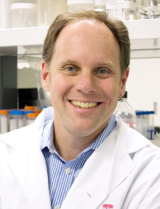 Donald Sheppard
MD, FRCP(C), FECMM, FAAM, FASCI, FACHS
Founding Director: McGill Interdisciplinary Initiative in Infection and Immunity
Dr. Sheppard is a Professor and Chair of the Department of Microbiology and Immunology at McGill University. He leads the Medical Mycology laboratory and practices clinical infectious diseases at the McGill University Health Centre. His primary clinical area of interest is human fungal disease, particularly invasive aspergillosis in the immunocompromised host.
Dr. Sheppard’s research interests focus on elucidating the mechanisms by which fungal and bacterial pathogens form biofilms and the development of novel therapies that disrupt biofilms to enhance the activity of antimicrobial agents. His laboratory is funded by research operating grants from the US National Institutes of Health, the US Department of Defense, the Canadian Institutes of Health Research, and the Cystic Fibrosis Foundation of Canada. He has published over 100 research papers and book chapters and has delivered over 150 invited lectures worldwide. Dr. Sheppard has been the recipient of numerous awards including a Clinician-Scientist award from the Canadian Institutes of Health Research, a Career Award in the Biomedical Sciences from the Burroughs Wellcome Fund and a Research Chair from the Fonds de recherche du Québec - Santé. He is an elected fellow of the Canadian Academy of Health Sciences, the American Society of Clinical Investigation and the American Academy of Microbiology.
 Marie Hudson
MD, MPH, FRCPC
Co-Director: McGill Interdisciplinary Initiative in Infection and Immunity
Dr. Hudson is a rheumatologist and epidemiologist at the Jewish General Hospital and Lady Davis Institute, and an Associate professor and Member of the Division of Experimental Medicine in the Department of Medicine at McGill. She was previously Associate Director of Clinical Research at the Lady Davis Institute.
Dr. Hudson pursues research in systemic autoimmune rheumatic diseases, in particular systemic sclerosis and autoimmune myositis. She has specific interests in the epigenetic signatures and cellular therapies for these diseases. Most recently, she has developed an interest in immune-related adverse events (irAE) secondary to cancer immunotherapies as a “human” model for classical autoimmune diseases.
Dr. Hudson’s research has been funded by numerous granting organizations including CIHR, FRQS, and The Arthritis Society. She has published over 200 full-length peer-reviewed papers. She has supervised research trainees at all levels and her students have excellent track records in terms of securing funding, presenting their results at local and national scientific meetings and publishing. She is the recipient of the 2011 Canadian Rheumatology Association New Investigator Award, the 2016 Jeffrey Shiroky Prize and the 2017 Merit Award from the Association des Médecins Rhumatologues du Québec.