
Table of Contents
Keywords: eucalyptus, adaptability, volatile organic compounds, fire resistance, hydraulic conductance, resilience, thermodynamics.
Abstract
Eucalyptus trees, native to Australia and nearby countries, demonstrate their evolutionary resilience through their biological design solutions, which play a role in ensuring their survival and presence in their harsh climate. Their bark undergoes a series of shedding phases which serve as an insulating material with varying levels of thickness and density, acting as a protective measure against wildfires and flammability. Eucalypti's xylem adaptability through tissue regeneration and fast growth rates allows them to maintain their strong presence in a hot forest experiencing cycles of floods and droughts. The leaves of the eucalyptus, hanging on the branches in a vertical manner, create deeper penetration of light onto the rest of the tree, increasing levels of photosynthesis. This leaf orientation facilitates decreasing light absorption and water loss, found to be especially beneficial during periods of excessive heat. Finally, specific Australian Eucalyptus forests known as the Blue Mountains, exhibit the optical phenomenon where their emitted volatile organic compounds maximally absorb near-UV, purple and blue light to showcase a blue “haze” over these forests. This essay serves to describe the biological processes and design solutions of the Eucalyptus tree to better understand its applications in bioengineering.
Introduction
The genus Eucalyptus encompasses more than 700 species of trees (Coppen, 2002). These fast-growing plants are indigenous to Australia and parts of South Asia, but can adapt to most temperate climates. They are characterized by their curling, fire-resistant bark, timber-grade wood, wide branch spread, and aromatic leaf oil (Figure 1). A subset of the genus is commonly referred to as “gum trees” because of their deeply colored, sticky trunk excretion (Nobakht et al., 2017). Other notable characteristics of the tree are the diverse assortments of bark, its unique dependence on fire to awaken dormant buds, and it’s tough, leathery leaves with high levels of lignin that resist wilting in hot conditions. The leaves of Eucalypti can be categorized as isobilateral, vertically oriented, dark green or dorsiventral, horizontally oriented, or blue grey (James & Bell, 2000). This range of features for different species demonstrates the genus’ great adaptability.

Fig. 1. Branching Eucalyptus in Western Australia. The widely spread branches and dominant branch form are characteristic of E. Microcarpa and other thicker-barked eucalypti (Vergano, 2013).
Eucalypti trees have long been a source of interest for medicinal, botanical, and industrial research. Hypothesized to have been first discovered by Captain James Cook in the 1770s but studied and named by French botanist, Charles Louis L’Heritier de Brutelle, the Eucalyptus was historically used by the Australasian Indigenous for the construction of canoes, spears, bowls, medicinal salves, balms, and antidotes (Coppen, 2002). Now, most Eucalyptus species are threatened with extinction by fighting increased bushfires and urbanization (WWF, 2019), especially in Australia, where 98% of Eucalyptus live (Coppen, 2002). Fortunately, the Eucalyptus is characteristically resilient: it tolerates aggressive drought, has fire-adapted protective traits, and pest resistance (Moore, 2024). The Eucalyptus’ resilient adaptations can be physically analyzed through its bark shedding, hydraulics systems, leaf angles, and varied coloration.
Bark Shedding as a Mechanical Adaptation
Eucalyptus tree bark, which ranges from stringy and papery to thick and dense depending on the species, serves a dual function in the protection of the eucalypt. Prior to shedding and during its life on the tree, the eucalypt bark is the tree’s first protection against disease, predators, and wildfires. As a species of hardwood tree, Eucalyptus has sequential layers visible in a cross-sectional sample of outer bark, inner bark, and vascular cambium that encloses the wood tissue. The dynamic vascular cambium layer (responsible for producing secondary xylem and phloem, healing wounds, and building width) is sensitive to fluctuations in environmental temperatures and puts the eucalyptus at risk of limb or full tree death when exposed to the common wildfires in Australia’s arid climate (Wesolowski et al., 2014). Cambium necrosis—the death of the vascularized cambial cells—of eucalypts has been experimentally determined to occur at an instant lethal temperature (ILT) of 60°C (Wesolowski et al., 2014). The thickness of the tree’s bark is the trait most directly related to key protection against heat and fire damage and consequently, avoidance of cambium necrosis. The bark’s low thermal conductivity due to its relatively high porosity, density, and water absorption causes a positive correlation between its thickness and insulation capacity. In a study by Wesolowski et al. (2014), samples of three eucalyptus species’ bark, as seen in Figure 2, were cut transversely and longitudinally, sealed with silicone, and drilled to accommodate differing depths of temperature probes.

Fig. 2. Three sampled Eucalyptus species with unique bark. The exterior bark and cross-sectional appearance of the box bark from (a) and (b) belongs to E. Microcarpa, gum bark from (c) and (d) is E. Leucoxylon, and ironbark from (e) and (f) is E. Tricarpa (Wesolowski et al., 2014).
The samples were then exposed to intense flame and heat (around 750°C, meant to mimic an intense Australian burn) by a propylene torch for 900 seconds (Wesolowksi et al., 2014). The resulting internal temperatures of the bark samples were recorded. In all three sampled species, samples with bark thickness greater than 20 mm were able to maintain an internal cambial tissue temperature below the ILT 60°C for more than 600 seconds (Wesolowski et al., 2014). Fire resistance varied by species, increasing from the thick-barked E. tricarpa to the slimmer E. microcarpa and smooth-barked E. leucoxylon. These structural variations mirror the distinct regional distributions of each species across Australia. E. Microcarpa populates southeastern Australia from Victoria through New South Wales, to southern Queensland (Slee et al., 2025b), a region characterized by medium intensity but frequent fires in the summer (TERN, 2014). E. Tricarpa populates southeastern Australia, similarly to E. Microcarpa, in coastal New South Wales and inland Victoria (Slee et al., 2025), a region characterized by medium intensity but frequent fires in the summer (TERN, 2014). E. Leucoxylon also populates southeastern Australia, though more westward than the E. Microcarpa region and in inland New South Wales (Slee et al., 2025a), a region characterized by infrequent and low intensity bush fires in the autumn (TERN, 2014). Evidently, species with more fire-resistant bark populate more fire-prone regions.
Flammability of Bark Litter
The tree bark’s attachment to the tree is independent from its ability to contribute to the tree’s survival. The bark’s low thermal conductivity lies in a balance with its flammability once the bark becomes bark litter. In a grove of eucalypti, varying types of bark litter the ground, providing shelter and resources to soil organisms, being available for harvesting as a biomaterial, and most notably, providing fuel to wildfires in the fire-prone ecosystem (Zhao et al., 2024). The composition and characteristics of each strip of bark, and thus the bark litter, affect fuel availability and flammability. With bark characteristics being dependent on internal tensive and compressive forces, delamination factors, environmental pressures, and age/identity of the tree, the resulting characteristics of the bark litter can vary. Most eucalypti bark shed can be categorized as ribbons, chunks, flakes, or sheets -- all of which have different flammability, conduction, and insulation. Bark length, thickness, and curliness were all hypothesized to influence the flammability of the bark litter, so eight Australian eucalypt species were assessed (Zhao et al., 2024). Samples were collected, measured, and put into a rectangular frame of steel mesh, and randomly assorted into litter without pressure (so natural aeration could be mimicked). The rectangular plot was ignited, and total burning time, fire spread rate, and maximum temperature were measured. For all species and samples, bark thickness had the strongest relationship with fire spread rate and total burning time (Zhao et al., 2024). The species with thicker bark litter pack more densely in the litter bed, decreasing aeration and oxygen availability, and therefore flammability (Zhao et al., 2024). Similarly, bark length was concluded to be negatively correlated to the packing ratio and flammability of litter because of air exposure (Zhao et al., 2024). Bark curliness had a negligible effect on the flammability of the litter. Essentially, thicker bark serves as an important aspect of the Eucalyptus’ fire resistance, both on the tree as a resistant sheath and on the ground as less flammable bark litter. The dual function of the Eucalyptus tree bark serves as nature’s solution to the conflict of a tree’s shedding mechanism and production of biomass in a wildfire-prone region.
The Shedding of Bark
The formation of tree bark is dependent on the relative mechanical stresses within the tree. Cells form at the cambium, grow in diameter, and their cell walls are lignified (the complex polymer lignin is deposited) (see Eucalyptus Chemistry). The expansion of the newly differentiated xylem fiber from the vascular cambium layer is constricted by the xylem that is already formed, causing deformation in the axial and transverse dimensions (Gril et al., 2017). Mechanical stress is consequently induced on the secondary xylem, which initiates an opposite stress on the newly differentiated xylem. This mechanical stress generated in wood cells and tissues as they mature can be defined as maturation stress. The mutual strain, α, on the xylem cells can be modeled by:

where EL*/ ET* are the apparent moduli of elasticity in the longitudinal/transverse directions and σL/σT are the stress applied to the wood in the longitudinal and transverse directions (Clair et al., 2013). While not specific to the eucalyptus species, the models of stress and strain can relate specifically to the unique bark formations of eucalypti species. As a hardwood, eucalyptus trees have sclerenchyma—strengthening tissue made up of cells with lignified cell walls that provide mechanical support—embedded throughout their cellular system (Einspahr et al., 1982). The shorter-fibered, “stone cell” sclereids provide rigidity to bark and leaves and the longer fibers provide strength to the wood tissue. Fibers have a dominant presence in eucalypti wood, providing a distinct toughness and a unique shredding characteristic. Structurally, a higher presence of bark fibers leads to an increase in wood toughness, bark toughness, and inner/outer bark strength. While a higher presence of bark fibers was also experimentally determined to increase wood-bark adhesion, eucalyptus species diverge from this correlation. Samples of the E. globulus eucalyptus were pulped and screened and their physical and chemical characteristics were analyzed, displayed in Table 1 (Miranda et al., 2012). E. globulus had a mean fiber length of 1.12 mm while the wood tissue had a mean fiber length of 0.98 mm. Chemically, the bark contained 5.3% polar extractives compared to the wood’s 1.6% (Miranda et al., 2012).
Table 1. Analysis of E. Globulus Pulp and Bark. Properties of E. Globulus wood and bark tissue measured and quantified using industrial processing procedures (Miranda et al., 2012).
| Fiber and Chemical Characteristics | Wood | Bark | Tops |
|---|---|---|---|
| Density (kg/m3) | 602.8 | 387.6 | 588.8 |
| Mean fibre length (mm) | 0.98 | 1.12 | 0.91 |
| Fibre width (μm) | 18.8 | 18.1 | 16.2 |
| Wall thickness (μm) | 4.9 | 7.0 | 5.0 |
| Chemical Composition (%) | |||
Ash | 1.0 | 2.9 | 1.0 |
Non-polar extractives | 1.4 | 1.3 | 2.0 |
Polar extractives | 1.6 | 5.3 | 1.7 |
Insoluble lignin | 17.8 | 16.9 | 18.8 |
Cellulose | 56.9 | 56.0 | 52.8 |
Pentosans | 21.7 | 23.7 | 17.7 |
1% NaOH solubility | 12.2 | 19.9 | 14.4 |
The dissimilarities in these properties contribute to lower wood-bark compatibility and wood-bark adhesion, causing frequent bark shedding. The differing uniformity and distribution of the fibers, sclereids, and cells (that all have different thresholds for tensive and compressive strain) dictates where low wood-bark adhesion and therefore cracking, splitting, and delamination of bark will occur (Einspahr et al., 1982).
Hydraulics Systems in the Eucalyptus
To conduct efficient photosynthesis, trees must maximize light capture by growing tall and expanding their photosynthetic surfaces. However, photosynthesis and plant metabolism reactions require a crucial element, water, along with minerals for growth. While roots can collect water and minerals, an issue lies in the transportation of water against gravity (OpenStax, 2018).
Hence, trees have developed an intricate hydraulic system that utilizes the evaporation of water from pores located on the leaves (stomata) to create a hydraulic force (water tension, denoted by Y) up special conducts, called xylem vessels. With stomata regulation, an organism can control water tension, which will result in water displacement, depending on its metabolic need.
Operating by those mechanisms triggers cavitation, a dangerous phenomenon of air uptake in xylem vessels. This process happens when the water potential is too high compared to the water available, and air is sucked up the vessels creating gaseous embolisms. Drought and water stress are the main causes of xylem embolisms (Gauthey et al., 2022). Fitness and evolution allowed different organisms (especially organisms who live in dry environments) to evolve with different strategies to solve this problem. Among these, the Eucalyptus species presents a unique approach.
Each strategy depends on variables, including, primarily, the vessel’s diameter, the water need, the rate of growth, the plasticity of the wood, and the exerted water tension. For example, conifers have a conservative strategy, by using narrow tracheid with thick walls rather than wide vessels (Pittermann et al., 2006). This allows for better water cohesion and a decreased chance of cavitation. However, a smaller diameter also means a lower water conductivity.
Capillary physics describes the phenomenon with the Hagen-Poiseuille equation:

where Q is the volumetric flow rate, r is the radius of the vessel, h is the viscosity of the liquid, l is the length of the vessel, and DP is the pressure difference (in this case, the difference between soil pressure and stomata pressure) (Harvard University, n.d.). The key takeaway is the fourth power relationship between flow rate and radius. Even a small difference in xylem radius allows for a significant increase in water flow rate.
The hydraulic conductance of a xylem tissue can be expressed as the following expression:

Where Q is the volumetric flow rate, DY is the water potential gradient (tension), and K, the conductance. Conductance is the inverse of the resistance (R) applied on the fluid (Choat, n.d.). An analogy can be made with electrical physics and Ohm’s Law. Rearranging the terms and substituting K for 1/R:

In fact, capillary physics follow the same principle of electricity where the flux of moving elements depends on a certain potential and the resistance. Hence, the flow rate depends on the potential difference. A higher water tension would yield a greater flow rate – at least until cavitation occurs.
Eucalyptus species tend to have a larger diameter compared to most other trees, with species in tropical climates reaching a diameter of 300 mm (Pfautsch et al., 2016). This aspect of their hydraulic system yields a strong water conductance which satisfies their fast-growing aptitude, but endangers the tree when drought occurs. Thus, eucalyptus must manage this risk in order to survive the harsh climate of the Australian desert with another hydraulic strategy.
Avoiding Drought through a Hydraulic Lens
A study touches on this phenomenon of recurrent drought in Australia. E. saligna trees were put into severe drought (water potential of -3.5 MPa) or moderate drought (water potential of -2 MPa) conditions (Gauthey et al., 2022). Upon reaching these water potential measurements, the plants were sufficiently rewatered. Measurements of hydraulics recovery, plant water status, and transpiration rates were taken throughout the experiment. Moreover, micro-CT scans (x-ray microcomputed tomography) were taken of the stem after hydraulic recovery of the trees.
The study showed xylem hydraulic capacity to be restored along with recovery of transpiration, though not in a short period of time. Leaf water potential rebounded relatively quickly, but it was only after 6 months that the study was able to find sufficient water conductivity. This data disproves a previous theory of embolism repair which was hypothesized to take much less time to occur (24 hours to 3 weeks). Furthermore, the micro-CT scans demonstrated that a new ring of xylem tissue in the outer bound of E. saligna’s trunk was formed. The embolized vessels did not recover, as demonstrated by the black dots in Figure 3, and instead, a new outer ring was formed during recovery. As Eucalyptus is a fast-growing species, it had no problem overcoming the drought damage, but it has a long lag period (Gauthey et al., 2022).

Fig. 3. Transversal slice of micro-CT scan of two E. saligna over 6 months recovery period from severe drought. Black dots show embolized vessels. a) Green arrow demonstrates new xylem ring, while orange arrow shows older xylem tissue. b) White arrows show band of cells formed post drought treatment, helps distinguish new tissue from older one (Gauthey et al., 2022).
Eucalyptus is not the only species who can create new xylem vessels after water stress. Although, unlike many temperate tree species, such as oak, that rearrange xylem conduct seasonally (Pace et al., 2023), Eucalyptus species seem to reformat their xylem depending on episodic drought, making their hydraulic recovery mechanic more sensitive to drought/flood cycles.
In fact, Eucalyptus’ habitat tends to undergo periods of water scarcity followed by sudden water oversupply. River Murray is an important watershed in Australia and is the home of E. camaldulensis. The river often oscillates between episodes of flood and drought, and E. camaldulensis, being one of the least drought-resistant species, requires a minimum flood frequency of one flood every three to five years. Furthermore, after the ‘Millennium Drought’ (1997-2009), a severe drought said to be the worst in Australia since European settlement, about 30% of the population of E. camaldulensis survived and fully recovered on the floodplain of River Murray (Doody et al., 2014), as can be seen in Figure 4.
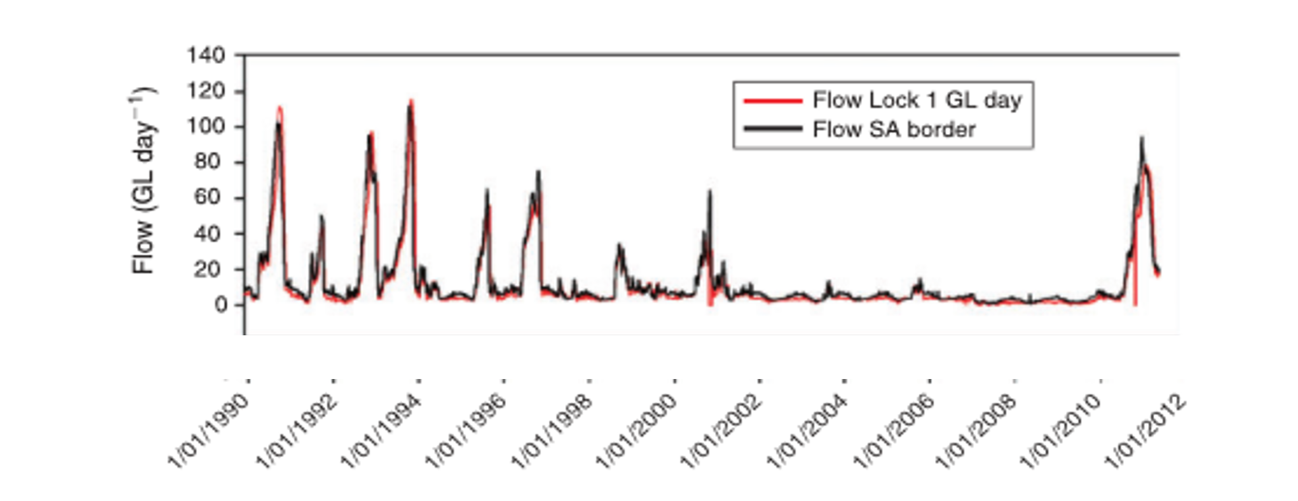
Fig. 4. Water flow in River Murray between 1990-2011. Peaks in graph indicate flood. Millennium drought plateau can be easily seen (Doody et al., 2014).
In other words, Eucalyptus trees adopt a high risk, high rewards strategy by depending on their water conductance provided by their wide vessels. In a loss of vessels due to water stress, the plant will utilize its fast-growing rate and wood plasticity to form new xylem tissue once water becomes available again. This stress-induced strategy is unique to the Eucalyptus and enables the trees to successfully compete against other species in arid environments, such as the River Murray basin.
Though recovery mechanisms demonstrate important elements of drought tolerance, anticipation plays a crucial role in the plant’s ability to thrive under arid circumstance. Stomatal regulation is at the origin of xylem tension (DY) and hence water displacement in the plant.
Studies on Eucalyptus pauciflora concluded that stomatal closure is tightly coordinated with stem hydraulics to prevent drought damage. As water potential in the stem approaches a specific value (-1.61 MPa), major decreases in gas exchange suggests stomatal closure. In fact, that value represents the water potential of the stem when the Eucalyptus has lost 50% of its conductivity. Beyond that point, a steep drop in hydraulic conductivity occurs and risks of hydraulic failure intensifies. Scientists measured stomatal closure at a stem water potential of -1.6 MPa proving a high degree of coordination between the two parts of the organisms (Martorell et al., 2014).
Overall, Eucalyptus depicts an unmatched drought tolerance due to its prevention and recovery mechanics. First, Eucalyptus chose a high-stake approach by having wide xylems. Furthermore, in cases of cavitation, it will take advantage of its fast-growing rate to reformat new vessels. The strong fitness of the Eucalyptus in drought-flood environments relies on the remarkable attribute of its xylem plasticity and fast recovery of hydraulic conductance. Moreover, its ability to precisely close stomata limits transpiration and conserves water. Beyond this interesting response at the microscopic level, Eucalyptus further minimizes cavitation risk through the orientation of its leaves, a structural trait that can be detailed by the science of thermodynamics.
Thermodynamics: Eucalyptus Leaf Angle Adaptations
A striking quality of forests occupied by species of the Eucalyptus tree is the amount of light able to make its way through the canopy onto the forest floor. This is a feature lacking in most conifer-filled forests in North America, while Eucalyptus populated woodlands in Australia are often, unexpectedly sunny, as shown in Figure 5. This high light penetration is related to eucalyptus’ steeply inclined, nearly vertical leaf arrangements. This trait has been hypothesized as a method to minimize heat absorption in the arid Australian climate, though the phenomenon is also observed in wetter, montane forests, suggesting there are multiple adaptive benefits at play (James & Bell, 2000).

Fig. 5. Light penetration in conifer forest (left) vs eucalyptus forest (right). There is a high light penetration in the eucalypt forest; leaves are still abundant, just vertically held, leading to the gaps between neighbouring trees (Oliveira et al., 2021).
At the core of this mechanism is the geometry of solar radiation. Surface incidence can be described in terms of the distance the sun’s rays must travel. More time traveling through the atmosphere, and the ozone layer in particular, means more light is absorbed. The relative intensity of light on a surface is proportional to the angle of incidence, in that when the sun is directly overhead, its rays can travel straight down, taking the shortest route, see Figure 6.

Fig. 6. Light intensity dependence on path travelled. Angles near perpendicular have the most direct path (Wang et al., 2017).
When the Sun is near the horizon, the rays must travel further to get to the same point, and in doing so, the atmosphere is able to absorb more ultraviolet radiation (UV), decreasing the intensity of the light that reaches the ground (Government of Canada, 2018). This concept is why the UV tends to be the highest in the summer, when the hemisphere is pointed more directly at the sun, and during the midday, when the sun is at its highest point, as shown in Figure 7.

Fig. 7. UV dependence on Sun angle. Rays that travel the furthest due to their low angle of illumination have the lowest UV (Kaye, 2019).
A horizontally oriented leaf at midday (0°), as shown in Figure 8, when the sun is high overhead, is positioned nearly perpendicular to the sun’s rays, meaning the intense UV light can hit a large portion of the leaf’s surface area. Altering the angle of illumination, through shifting the leaf’s angle, nearing a vertically oriented leaf (90°), conversely, decreases the available area on the leaf that the sun can hit. Most species of the Eucalyptus tree are shade-intolerant, and so this may seem to be a futile characteristic (Gauthier et al., 2014).

Fig. 8 Representation of the angle of illumination (left). Note positions of leaves and their associated angles (right). When describing “horizontal leaves”, 0° is implied, as is 90° with “vertical leaves” (Kattenborn et al., 2024).
Leaf Angle in an Arid Environment
Looking into leaf temperature, and plant water economy, this occurrence can be explained. A leaf’s temperature is determined by its balance of incoming and outgoing energy fluxes (Nelson & Bugbee, 2015). Incoming fluxes include absorbed shortwave solar radiation, and some longwave radiation from the surrounding environment. Outgoing fluxes consist of convective heat transport, transpiration, and longwave radiation emitted by the leaf itself. Under high radiation, and in dry conditions, when transpiration is limited due to lack of soil moisture, the majority of incoming shortwave radiation must instead be released through convection and thermal radiation. This leads to elevated leaf temperatures and larger leaf-to-air vapor pressure deficits (VPDs), which pulls the moisture out of the plant too quickly. In this case, methods that reduce VPD would actually enhance water efficiency, despite meaning less photosynthetically active radiation (PAR) is absorbed (King, 1997).
With sufficient water and nutrient supply, eucalyptus is able to control stomatal conductance and can maintain a stable internal CO2 concentration. Under these ideal conditions, the plant would be able to support increased absorbance, and as such, photosynthesis would increase with a lower leaf illumination angle, closer to 0° (King, 1997). However, during a water deficit typical of Australian woodlands, Eucalyptus transpiration is restricted to a constant rate. This is because transpiration requires water. When water is scarce, the roots cannot extract enough moisture from the soil, ultimately reducing the amount of water able to run through the plant, and in turn, the amount that can be released through its leaves (Koehler et al., 2023). Furthermore, in high sun, the Eucalyptus' other methods of heat loss are finite and not efficient. Convection is limited by ambient air temperature, and thus not effective when the air is humid, and radiative emission is hard to achieve when the leaves are receiving incoming fluxes from being in direct sunlight. By orienting leaves vertically, as seen in Figure 9, eucalyptus trees reduce the incoming solar flux at midday, when it is most intense, therefore decreasing the need for other cooling mechanisms. This reduces water loss, and improves its water use efficiency.

Fig. 9. Vertically oriented leaves on E. camaldulenis. As seen by the shadows in the photo, the sunlight is not hitting the plant directly, and as such, the light intensity is reduced (James & Bell, 2000).
The trade-off, of course, is that vertical leaves absorb less light for photosynthesis at midday. However, plants are equipped to perform photosynthesis at light levels below full sunlight, and in fact, full sun often does little to increase carbon gain, as photosynthesis has a maximum capacity that can be reached from an irradiance below direct sunlight, or 1000 watts per square meter (Li et al., 2021). Excessive light can furthermore be harmful to the photosynthetic apparatus, leading to photoinhibition, where reaction centers are damaged by overload. This occurs as too much sun generates harmful reactive oxygen species which degrade the D1 protein of photosystem II, needed for photosynthesis (Tian et al., 2017). In the morning and late afternoon, when the sun is lower in the sky, its rays will strike vertical surfaces more directly, and the eucalyptus’ inclined leaves are able to sufficiently capture light to drive photosynthesis efficiently, without overheating.
The geometry of these leaf angles also benefits the tree at the canopy level and below. With all horizontal leaves, the uppermost layer would intercept the bulk of the incoming sunlight, leaving lower leaves heavily shaded. This shading would limit the total productive surface of the canopy. While the vertical inclination reduces the absorbance per leaf, it overall increases the photosynthetic surface area in the system by allowing greater light penetration (King, 1997). This results in less energy per leaf, but more leaves can participate – a favorable outcome for tall trees like the eucalyptus.
Relationship Between Leaf Angle and Color
An interesting result of the varying leaf orientations is noted in a study by David A. King (1997). Eucalyptus species with vertical leaves are often concolorous and isobilateral – meaning both sides of the leaf share the same color and morphology, as seen in Figure 10. Their orientation reduces the need for surface specialization; in horizontal leaves, the upper surface receives the most intense midday sunlight, and so they develop darker pigmentation. Vertical leaves have palisade cell layers on both sides, rather than on only the top surface, as is often seen on most plants (King, 1997). As such, each side can take in light, allowing for increased photosynthesis. Twenty-six species of Eucalyptus were examined in a study of Australian trees by Douglas J. Boland (2006) noting certain characteristics, including color and leaf orientation. Evidently, several environmental factors have changed in the years since this study, but it can still be used to present this relationship. All vertically oriented leaved species were seen to have concolorous foliage, as displayed in Table 2, while nearly all the horizontally oriented species had discolorous leaves, as shown in Table 3. This characteristic, though imperfect, can prove useful, as leaf coloration is often cited in descriptions of different Eucalyptus species, while their leaf orientations are not typically specified.

Fig. 10. Concolorous leaves of Eucalyptus umbra. Top and bottom of leaf are near identical (James & Bell, 2000).
Table 2. Characteristics of selected Eucalyptus species with nearly vertical leaves. Note the color; all vertical leaves were seen to have identical morphology (Boland et al., 2006).
| Species | Annual rainfall (mm) [N/A] | Leaf shape | Leaf color |
|---|---|---|---|
| E. exima | Lanceolate, falcate | Concolorous | |
| E. delegatensis | 700-2500 | Lanceolate, falcate, oblique | Concolorous |
| E. laevopinea | 800-1500 | Lanceolate, falcate, oblique | Concolorous |
| E. Macrorhyncha | 500-1000 | Lanceolate, oblique | Concolorous |
| E. obliqua | 500-2400 | Broad-lanceolate, falcate, oblique | Concolorous |
| E. oreades | 850-1700 | Lanceolate | Concolorous |
| E. regnans | 750-1700 | Broad-lanceolate | Concolorous |
| E. rossii | 550-850 | Lanceolate | Concolorous |
| E. sieberi | 700-1400 | Lanceolate, falcate | Concolorous |
| E. argophloia | 700 | Narrow-lanceolate | Concolorous |
| E. cypellocarpa | 700-1300 | Lanceolate | Concolorous |
| E. globulus | 600-1400 | Lanceolate, falcate | Concolorous |
| E. nitens | 750-1750 | Lanceolate | Concolorous |
| E. sideroxylon | 450-1000 | Lanceolate | Concolorous |
| E. smithii | 750-1700 | Narrow-lanceolate | Concolorous |
| E. viminalis | 500-2000 | Lanceolate | Concolorous |
Table 3. Characteristics of selected Eucalyptus species with shallow leaf angles. All except E. melanophloia were noted to have discolorous leaves, in that the top side tended to be darker due to the light absorption solely occurred there (Boland et al., 2006).
| Species | Annual rainfall (mm) [N/A] | Leaf shape | Leaf color |
|---|---|---|---|
| E. calophylla | 650-1500 | Ovate | Strongly discolorous |
| E. gummifera | 700-1800 | Broad-lanceolate | Discolorous |
| E. torreliana | 2000 | Broad-lanceolate | Slightly discolorous |
| E. cloeziana | 550-2300 | Lanceolate | Discolorous |
| E. botryoides | 700-1300 | Broad-lanceolate | Strongly discolorous |
| E. melanophloia | 400-1100 | Ovate | Concolorous |
| E. microcorys | 1000-2000 | Lanceolate | Discolorous |
| E. paniculata | 750-1700 | Lanceolate | Discolorous |
| E. propinqua | 850-1700 | Lanceolate | Discolorous |
| E. robusta | 1000-1700 | Broad-lanceolate | Strongly discolorous |
Leaf Angle Adaptations in Non-Arid Environments
In the same study, King notes that these vertical leaves are most common in eucalyptus species from dry regions, where water conservation is crucial (1997). There, the physics of leaf temperature equilibrium and the scarcity of water evolutionarily select strongly for traits that minimize heat loads. It is, however, also noted, that these characteristically angled leaves are also found in montane, high-latitude forests, where water is not limited, and the temperature does not get as high. In these cases, further explanations apply.
At high altitudes or latitudes, the sun tends to be at lower elevation angles (Wang et al., 2017). Vertical leaves intercept angled rays more effectively than horizontal leaves would, due to the angle of illumination. These regions also tend to experience colder nights, which can trigger strong radiative heat loss from leaves, lowering leaf temperature, risking frost and photoinhibition (King, 1997). Vertical leaves benefit these Eucalyptus species since they reduce the angle of exposure to the open sky, moderating radiative cooling. In a study, horizontally held leaves of E. pauciflora were 0.5-1.5°C colder than vertically oriented leaves, while those of E. viminalis were 0.2-0.6°C cooler (Leuning & Cremer, 1988). These findings were presumed to be due to the lower boundary layer conductance of the horizontal leaves than of the vertical ones in windless conditions. Boundary layer conductance is a measure of how easily heat and gases move between a leaf’s surface and its surrounding air, as demonstrated in Figure 11. For instance, cool air can drain downward more freely from a vertical leaf, refreshing its boundary layer. With a horizontal leaf, the cooled air tends to stagnate around the leaf, unable to drain away, and the boundary layer becomes thicker, and less conductive (Kimura et al., 2020).

Fig. 11. Simplified diagram of a single leaf stomate. The red text indicates the location of the boundary layer. This is where air can escape the leaf; in this orientation, it can be seen how horizontal leaves have trouble unloading cold air, as in a canopy of leaves, the air let go from one leaf would not be able to drain freely, as they are surrounded (Lab Cell, 2019).
Eucalyptus Coloration Formed by Bark Shedding and Light Absorption
Pigments Involved with Varying Coloration
The “Rainbow Eucalyptus”, Mindanao gum, or more formally the Eucalyptus deglupta is an interesting species. Native to Australia, they grow more than 3 feet per year. The bark on the E. deglupta has a series of shedding phases, where different layers based on the age of the tree bark will give it different colors due to light absorption. The bark, starting off a lighter green, will make a slow transition to dark green, purple, red and eventually burnt orange, demonstrating a beautiful collection of colors. The gradual process of the outer layers of bark shedding allows the tree pigments between each layer to contribute their combination of vibrant colors. The compound chlorophyll slowly degrades and allows other compounds such as tannin, a compound known for its orange-reddish color, to be more prominent during specific times of the shedding process. Plants, such as the Eucalyptus deglupta, produce tannin to deter insects and pests, and as a byproduct, create a range of colors on the tree (Yin, 2016). In addition, these diverse colors are heavily influenced by the accumulation of pigments like anthocyanins and carotenoids. These pigments combined with external factors such as temperature, quantity of sunlight and rainfall play a role in the coloration of the pigmented layers. The Eucalyptus’s design solution to protect the inside of the tree lies in its inner pigmented layers and compounds. These light-absorbing compounds in the tree take in large quantities of sunlight, acting as a protective mechanism against excessive rays (George, 2024). The cambium cells, analogous to stem cells in the animal kingdom, allow this process to occur after shedding multiple times, which prevents other plants from growing on the eucalyptus (Han, 2013). Each layer of bark contains a one-cell thick opaque layer with green chlorophyll underneath. As time passes, the cells at the surface of the transparent layer become a reddish-brown layer and coupled with the bright green background appear together as a change in the bark color, as seen in Figure 12.
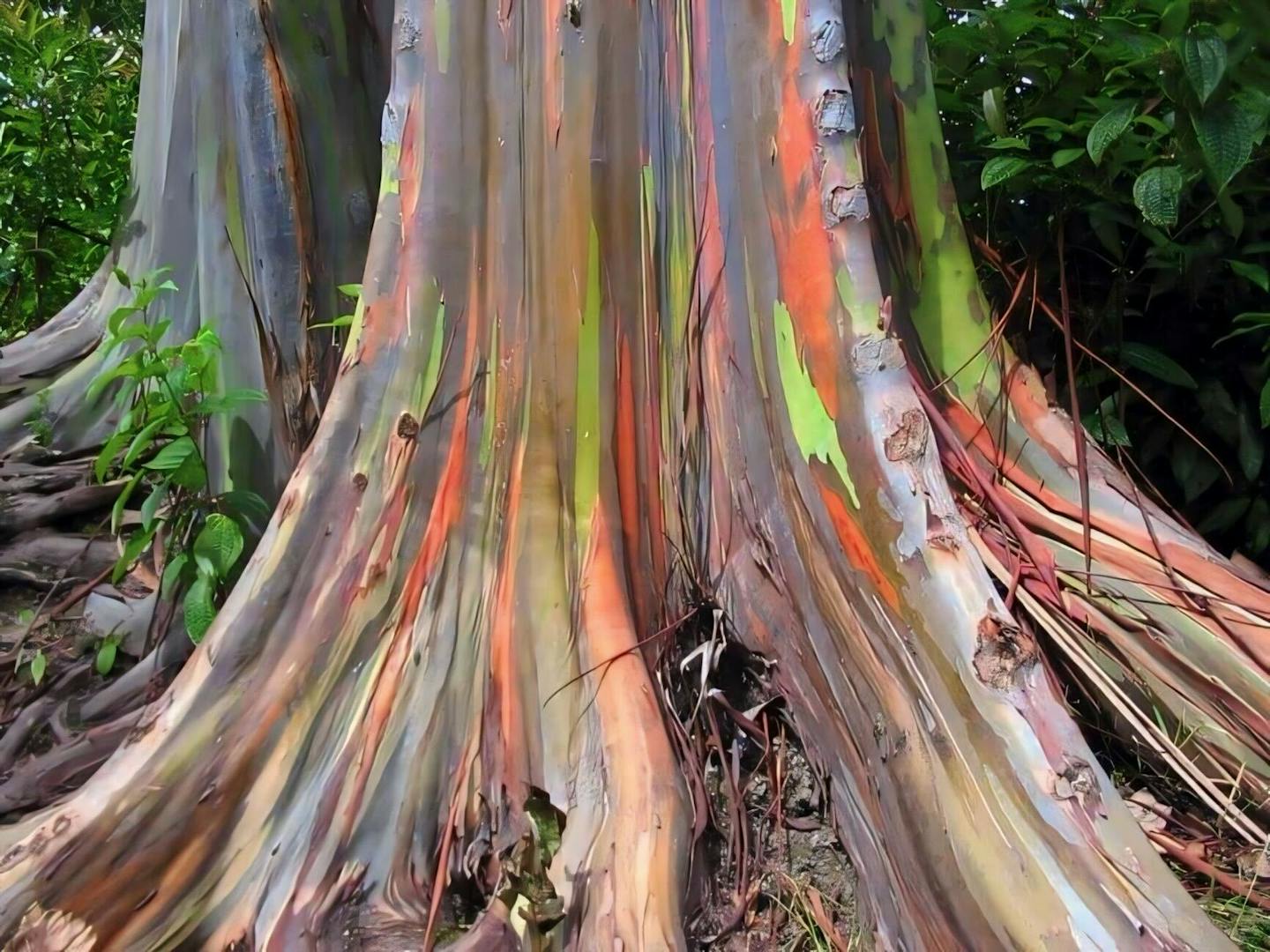
Fig. 12. Rainbow eucalyptus. Interesting and unique bark colors on Eucalyptus deglupta (Schueman, 2024).
Optical Properties of Volatile Organic Compounds Emitted by the Eucalyptus Genus
The Blue Mountains west of Sydney are named as so due to the blue air that surrounds the trees, especially on hot summer days. This fog is caused by the reaction of isoprene, which contributes to air pollution and to the creation of toxic particles, shown in Figure 13. These volatile organic compounds (VOCs) are emitted from trees, once again, as a form of repellant against pest insects and as an innate defense for trees (O’Callaghan, 2016).

Fig. 13. Sydney Blue Mountains. Blue fog above the forests creating the appearance of blue trees (Evaneous, n.d.).
VOCs are now referred to as biogenic, meaning they are produced by biological and living organisms, in this case, by eucalyptus trees. The metric or model to predict the emission of the biogenic VOCs is called MEGAN (the Model of Emissions of Gases and Aerosols from Nature) (O’Callaghan, 2016), which has classified eucalyptus trees as a heavy emitter of these polluting particles.
Formation of Secondary Organic Aerosols
The eucalyptus trees emit a biogenic volatile organic compound (BVOC), and their oxidation produces the “blue haze” seen over certain forest regions. The two main categories of BVOCs are isoprene and the group of C₁₀H₁₆ monoterpene series. Combined with volatile compounds such as oxides of nitrogen, these emitted compounds undergo a series of reactions which increase the ozone production and can lead to the formation of secondary organic aerosols (SOA) (Emmerson et al., 2018).
Modelling the Emission Levels
Plants and trees emit a total of 90% of all BVOCs; the majority being isoprene and monoterpenes. These BVOCs are important for the production of ozone and secondary organic aerosol (SOA). Many of the 700 species of eucalyptus native to Australia contribute to these emissions. The Eucalyptus globulus is one of the highest emitters of isoprene (Benjamin et al., 1996). The MEGANv2.1 model is used to estimate the factors of emissions, by the following equation:

R (measured in μg m-2 h-1) is the emission rate of species I, where EFij is the emission factor (μg m-2 h-1) of species i. The emission activity factor, γij, represents the emission control processes and measures variables such as light response, temperature response, and leaf age to understand the model. By using this model, the Eucalyptus is classified as a high emitter (> 10 μg g -1 h-1) (Emmerson et al., 2016). Between Melbourne and Sydney, the forest region has average eucalyptus emissions close to 24 μg m-2 h-1.
SOAs contain a large number of organic nitrates (ONs) which contribute to the light absorption of the wavelengths found in the 315-400 nm range. Specifically, SOA formed by NO₃⁺ a-pinene showed significant absorption at wavelengths 355 nm and 405 nm.
As plotted in Figure 14, the near-zero imaginary part of the refractive index, k, decreases with increasing wavelength (He et al., 2021). Moreover, the k was only observed at the deep UV wavelength range, demonstrating that much of the absorption of light occurs within that range of wavelengths, thus producing that violet blue color.

Fig. 14 The optical properties (dependant on wavelength) of a biogenic secondary aerosol. See the absorption of near-UV light for all parts of the BSOA (He et al., 2021).
By using the range of short UV wavelengths of (315-350 nm), the optical properties of the BSO ANO3 absorbs slightly in the deep UVA wavelength range, and k decreases with increasing once again with wavelength. These k values govern the absorption level, meaning there is more absorption as k increases. The absorption is controlled by the SOA’s ONs, which have strong absorbing carbonyl-adjacent nitrate groups. Thus, as the wavelength increases and goes beyond the UV range, the total level of absorption decreases. An overall higher absorption occurs near the short UV range since both the real and imaginary parts of the refractive index are at maximum values.
Refractive Indices of Secondary Organic Aerosols Formed by VOCs
The refractive index is the property that controls the optical part of aerosol properties. The compiled data indicates that the SOA refraction indices range from 1.34 to 1.62, where the index increases due to a decrease in HC/NOx ratio (Hwajin, 2012). Thus, a decrease in the condensation of the volatile species, which favors a more volatile gas phase species, will increase the refractive index. In addition, smaller particles (usually less than 200 nm) do not scatter much light, indicating that the scattering of light with higher mass concentrations will result in the formation of a colored haze above the trees emitting these particles. Specifically, there is evidence of mainly near-UV light being absorbed by these nitrated and aerosol components. The absorption coefficient of near-UV light was 0.038 (m2 / g) at 350 nm for limonene SOA generated by photooxidation at 355nm (NC/NOₓ = 30) where another study measured the range of absorption coefficients of SOA generated from toluene as 0.3 –3 (m2 / g) using various wavelengths of light (Kim, 2012).
Studies by Zhong and Jang, (2011) and Nakayama (2010), demonstrate that increasing NOx concentration will increase the absorption coefficient, which indicates that nitrated aerosols will have a large impact on the absorption of light, specifically at UV or near-UV wavelengths. This absorption occurs due to the nitro substituent on the aromatic ring which will also shift the wavelength of absorption closer to >350 nm (Kim, 2012). Therefore, due to the nitrogenous substituents found in the SOA formed by Eucalyptus emissions of VOCs, mostly near-UV light is absorbed, thus forming the blue fog often seen over the Australian eucalyptus forests.
Conclusion
Eucalyptus trees exhibit a variety of unique adaptations that reflect their environments. The hot, Australian weather means risk of forest fires, draught, and excessive sun-exposure. Eucalyptus’ specialized bark reduces this fire threat, acting as a resistant sheath, and on the ground as less flammable bark litter. Draught can be regulated through the plant’s quick growing rates and ability to form new xylem tissue lost under water stress. Under the hot sun, their leaves have distinctive thermodynamic strategies to reduce exposure, having their leaves tilted to be able to avoid the midday sun, while still optimizing photosynthesis. Their release of volatile organic compounds further illustrates how their physical traits contribute to their interactions with the surrounding ecosystem, creating fascinating effects, such as the blue haze, or rainbow tree, whilst protecting the tree from insects and other pests. Together, these features highlight the special physics underling eucalyptus survival and prosperity.
References
References
Benjamin, M, et al. (1996). Low-emitting urban forests: A taxonomic methodology for assigning isoprene and monoterpene emission rates. Atmospheric Environment, 30(9), 1437-1452. https://doi.org/10.1016/1352-2310(95)00439-4
Blue Mountains just outside of Sydney. (n.d.). Evaneos. https://www.evaneos.com/australia/holidays/discover/7239-1-blue-mountains/
Boland, D. J., Brooker, M. I. H., Chippendale, G. M., Hall, N., Hyland, B. P. M., Johnston, R. D., Kleinig, D. A., McDonald, M. W., & Turner, J. D. (2006). Forest Trees of Australia. https://doi.org/10.1071/9780643069701
Canada, G. o. (2018). About the UV index. Government of Canada. https://www.canada.ca/en/environment-climate-change/services/weather-health/uv-index-sun-safety/about.html
Choat, B. (n.d.). Hydraulic conductance and conductivity. PROMETHEUS (Protocols in ecological & environmental science). https://prometheusprotocols.net/function/water-relations/hydraulic-cond…
Clair, B., Alteyrac, J., Gronvold, A., Espejo, J., Chanson, B., & Alméras, T. (2013). Patterns of longitudinal and tangential maturation stresses in Eucalyptus nitens plantation trees. Annals of Forest Science, 70(8), 801-811. https://doi.org/10.1007/s13595-013-0318-4
Clissold, F. (1983). Adult (A) and juvenile (J) leaves of the Eucalyptus species used in this study [Photograph]. Research Gate. https://www.researchgate.net/figure/Adult-A-and-juvenile-J-leaves-of-th…
Coppen, J. J. W. (2002). Eucalyptus: The Genus Eucalyptus (1st Edition ed.) https://doi.org/10.1201/9780203219430
Doody, T. M., Benger, S. N., Pritchard, J. L., & Overton, I. C. (2014). Ecological response of Eucalyptus camaldulensis (river red gum) to extended drought and flooding along the River Murray, South Australia (1997–2011) and implications for environmental flow management. Marine and Freshwater Research, 65(12). https://doi.org/10.1071/mf13247
Einspahr, D. W., Eperen, R. H. V., & Fiscus, M. L. H. (1982). Morphological and bark strength characteristics important to wood/bark adhesion in hardwoods. Wood and Fiber Science, 3. https://wfs.swst.org/index.php/wfs/article/view/1379/1379
Emmerson, K. M., Cope, M. E., Galbally, I. E., Lee, S., & Nelson, P. F. (2018). Isoprene and monoterpene emissions in south-east Australia: comparison of a multi-layer canopy model with MEGAN and with atmospheric observations. Atmospheric Chemistry and Physics, 18(10), 7539-7556. https://doi.org/10.5194/acp-18-7539-2018
Emmerson, K. M., Galbally, I. E., Guenther, A. B., Paton-Walsh, C., Guerette, E.-A., Cope, M. E., Keywood, M. D., Lawson, S. J., Molloy, S. B., Dunne, E., Thatcher, M., Karl, T., & Maleknia, S. D. (2016). Current estimates of biogenic emissions from eucalypts uncertain for southeast Australia. Atmospheric Chemistry and Physics, 16(11), 6997-7011. https://doi.org/10.5194/acp-16-6997-2016
Gauthey, A., Peters, J. M. R., Lopez, R., Carins-Murphy, M. R., Rodriguez-Dominguez, C. M., Tissue, D. T., Medlyn, B. E., Brodribb, T. J., & Choat, B. (2022). Mechanisms of xylem hydraulic recovery after drought in Eucalyptus saligna. Plant Cell Environ, 45(4), 1216-1228. https://doi.org/10.1111/pce.14265
Gauthier, P. P., Crous, K. Y., Ayub, G., Duan, H., Weerasinghe, L. K., Ellsworth, D. S., Tjoelker, M. G., Evans, J. R., Tissue, D. T., & Atkin, O. K. (2014). Drought increases heat tolerance of leaf respiration in Eucalyptus globulus saplings grown under both ambient and elevated atmospheric [CO2] and temperature. J Exp Bot, 65(22), 6471-6485. https://doi.org/10.1093/jxb/eru367
George, D. (2024). The Unusual Science Behind The 'Rainbow' Tree. Times Now News. https://www.timesnownews.com/technology-science/explainers/the-science-behind-the-rainbow-tree-article-106956164
Gril, J., Jullien, D., Bardet, S., & Yamamoto, H. (2017). Tree growth stress and related problems. Journal of Wood Science, 63, 411-432. https://doi.org/10.1007/s10086-017-1639-y
Han, A. P. (2013). Rainbow in a Tree. Science Friday. https://www.sciencefriday.com/articles/rainbow-in-a-tree/
Harvard University. (n.d.). Poiseuille’s law [Presentation]. Harvard Natural Sciences Lecture Demonstrations. https://sciencedemonstrations.fas.harvard.edu/presentations/ poiseuilles-law
He, Q., Tomaz, S., Li, C., Zhu, M., Meidan, D., Riva, M., Laskin, A., Brown, S. S., George, C., Wang, X., & Rudich, Y. (2021). Optical Properties of Secondary Organic Aerosol Produced by Nitrate Radical Oxidation of Biogenic Volatile Organic Compounds. Environ Sci Technol, 55(5), 2878-2889. https://doi.org/10.1021/acs.est.0c06838
Hwajin, K. (2012). Optical Properties of Secondary Organic Aerosols. University of California. https://escholarship.org/uc/item/5c75f542#author
James, S. A., & Bell, D. T. (2000). Leaf orientation, light interception and stomatal conductance of Eucalyptus globulus ssp. globulus leaves. Tree Physiol, 20(12), 815-823. https://doi.org/10.1093/treephys/20.12.815
Kattenborn, T., Wieneke, S., Montero, D., Mahecha, M. D., Richter, R., Guimarães-Steinicke, C., Wirth, C., Ferlian, O., Feilhauer, H., Sachsenmaier, L., Eisenhauer, N., & Dechant, B. (2024). Temporal dynamics in vertical leaf angles can confound vegetation indices widely used in Earth observations. Communications Earth & Environment, 5(1), 550. https://doi.org/10.1038/s43247-024-01712-0
Kaye, N. (2019). How the angle of the sun varies across the world throughout the year [Photograph]. Reddit. https://www.reddit.com/r/dataisbeautiful/comments/b9h1nf/how_the_angle_… un_varies_across_the_world/
Kim, H. J. (2012). Optical Properties of Secondary Organic Aerosols. UCLA. https://escholarship.org/uc/item/5c75f542
Kimura, K., Yasutake, D., Yamanami, A., & Kitano, M. (2020). Spatial examination of leaf-boundary-layer conductance using artificial leaves for assessment of light airflow within a plant canopy under different controlled greenhouse conditions. Agricultural and Forest Meteorology, 280. https://doi.org/10.1016/j.agrformet.2019.107773
King, D. A. (1997). The Functional Significance of Leaf Angle in Eucalyptus. Australian Journal of Botany, 45(4). https://doi.org/10.1071/bt96063
Koehler, T., Wankmuller, F. J. P., Sadok, W., & Carminati, A. (2023). Transpiration response to soil drying versus increasing vapor pressure deficit in crops: physical and physiological mechanisms and key plant traits. J Exp Bot, 74(16), 4789-4807. https://doi.org/10.1093/jxb/erad221
Lab Cell. (2019). Simplified diagram of a single leaf stomate. Lab Cell. https://www.labcell.com/media/148097/how%20to%20measure%20leaf%20transp…
Leuning, R., & Cremer, K. W. (1988). Leaf temperatures during radiation frost Part I. Observations. Agricultural and Forest Meteorology, 42(2-3), 121-133. https://doi.org/10.1016/0168-1923(88)90072-x
Li, J., Yi, C., Zhang, C., Pan, F., Xie, C., Zhou, W., & Zhou, C. (2021). Effects of light quality on leaf growth and photosynthetic fluorescence of Brasenia schreberi seedlings. Heliyon, 7(1), e06082. https://doi.org/10.1016/j.heliyon.2021.e06082
Lucani, C., Brodribb, T., Jordan, G. J., & Mitchell, P. (2019). Juvenile and adult leaves of heteroblastic Eucalyptus globulus vary in xylem vulnerability. Trees, 33(4). https://doi.org/10.1007/s00468-019-01851-4
Martorell, S., Diaz-Espejo, A., Medrano, H., Ball, M. C., & Choat, B. (2014). Rapid hydraulic recovery in Eucalyptus pauciflora after drought: linkages between stem hydraulics and leaf gas exchange. Plant Cell Environ, 37(3), 617-626. https://doi.org/10.1111/pce.12182
Miranda, I., Gominho, J., & Pereira, H. (2012). Incorporation of bark and tops in Eucalyptus globulus wood pulping. BioResources, 3(7), 4350-4361. https://doi.org/10.15376/biores.7.3.4350-4361
Moore, G. (2024). Here's Why Eucalypts Are Survival Experts. University of Melbourne. https://fnpw.org.au/news/latest-news/hard-to-kill-heres-why-eucalypts-a…
Nelson, J. A., & Bugbee, B. (2015). Analysis of Environmental Effects on Leaf Temperature under Sunlight, High Pressure Sodium and Light Emitting Diodes. PLoS One, 10(10), e0138930. https://doi.org/10.1371/journal.pone.0138930
Nobakht, M., Trueman, S. J., Wallace, H. M., Brooks, P. R., & Streeter, K. J. (2017). Antibacterial Properties of Flavonoids from Kino of the Eucalypt Tree, Corymbia torelliana. Plants (Basel), 6(3). https://doi.org/10.3390/plants6030039
O’Callaghan, M. (2016). Beating the eucalypt blues – new ways to model air quality. CSIRO. https://www.csiro.au/en/news/all/articles/2016/april/beating-eucalypt-blues-new-ways-model-air-quality
Oliveira, D., Martins, L., Mora, A., Damásio, C., Caetano, M., Fonseca, J., & Ribeiro, R. A. (2021). Data fusion approach for eucalyptus trees identification. International Journal of Remote Sensing, 42(11), 4087-4109. https://doi.org/10.1080/01431161.2021.1883198
Pace, M. R., Dutra, R., Marcati, C. R., Angyalossy, V., & Evert, R. F. (2023). Seasonal Cambial Activity and Formation of Secondary Phloem and Xylem in White Oaks (Quercus alba L.). Forests, 14(5). https://doi.org/10.3390/f14050920
Pfautsch, S., Macfarlane, C., Harbusch, M., Wesolowski, A., Smith, R., Boer, M., Tjoelker, M. G., Reich, P. B., & Adams, M. A. (2016). Vessel diameter and related hydraulic traits of 31 Eucalyptus species arrayed along a gradient of water availability. Ecology, 97(6), 1626. https://doi.org/10.1890/16-0147.1
Pittermann, J., Sperry, J. S., Wheeler, J. K., Hacke, U. G., & Sikkema, E. H. (2006). Mechanical reinforcement of tracheids compromises the hydraulic efficiency of conifer xylem. Plant Cell Environ, 29(8), 1618-1628. https://doi.org/10.1111/j.1365-3040.2006.01539.x
Schueman, L. (2024). Rainbow eucalyptus: The stunning, colorful tree that looks like art [Photograph]. One Earth. https://www.oneearth.org/species-of-the-week-rainbow-eucalyptus/
Tian, Y., Sacharz, J., Ware, M. A., Zhang, H., & Ruban, A. V. (2017). Effects of periodic photoinhibitory light exposure on physiology and productivity of Arabidopsis plants grown under low light. J Exp Bot, 68(15), 4249-4262. https://doi.org/10.1093/jxb/erx213
Vergano, D. (2013). Gold grows on Eucalyptus Trees. National Geographic. https://www.nationalgeographic.com/science/article/131022-gold-eucalyptus-leaves-mining-geology-science
Wang, F., Gao, Q., Deng, Y., Chen, R., & Liu, Y. (2017). Risk Assessment of Face Skin Exposure to UV Irradiance from Different Rotation Angle Ranges. Int J Environ Res Public Health, 14(6). https://doi.org/10.3390/ijerph14060606
Wesolowski, A., Adams, M. A., & Pfautsch, S. (2014). Insulation capacity of three bark types of temperate Eucalyptus species. Forest Ecology and Management, 313, 224-232. https://doi.org/https://doi.org/10.1016/j.foreco.2013.11.015
WWF. (2019). IUCN Finds Almost 25% of Eucalypt Species Are Threatened With Extinction. WWF. https://wwf.org.au/news/2019/iucn-finds-almost-25-of-eucalypt-species-a…
Yin, S. (2016, April 27). Tannin-filled bark gives rainbow eucalyptus trees their ‘painted’ trunks. 2 New Things. https://2newthings.com/tannin-filled-bark-gives-rainbow-eucalyptus-tree…
Zhao, W., Molleman, J., Grootemaat, S., Dong, M., & C., J. H. (2024). Thicker or Shorter Bark Fragments of Eucalypt Tree Species Make More Densely Packed Fuel Beds, Which Slow Down Fire Spread. Forests, 15(12). https://doi.org/10.3390/f15122092
Zhong, M., & Jang, M. (2011). Light absorption coefficient measurement of SOA using a UV–Visible spectrometer connected with an integrating sphere. Atmospheric Environment, 45(25), 4263-4271. https://doi.org/10.1016/j.atmosenv.2011.04.082