
Table of Contents
Keywords: baobab, parenchyma, pectin, symbiosis, signaling pathways, polyphenols, oxidative stress
Abstract
Adansonia, commonly known as the baobab, is a tree genus renowned for its longevity and resilience in some of the most arid environments on Earth. Over time, the baobab has evolved a series of biochemical strategies that enable it to store water, recycle nutrients, and defend its cells against oxidative stress. Its tissues contain polysaccharides that act like hydrogels to retain moisture, while symbiotic relationships with fungi aid in nutrient acquisition. Most notably, its leaves and fruit are rich in antioxidant polyphenols that neutralize reactive oxygen species generated by intense heat and sunlight. These same compounds also provide notable health benefits to animals that consume them, such as the moderation of glucose absorption. In turn, the tree is aided through further seed propagation. By exploring these chemical adaptations, this study seeks to uncover how the baobab’s molecular design contributes to its exceptional longevity and role as the “tree of life.”
Introduction
The baobab, or Adansonia is known for its wide trunk and small crown that make it look like it was planted upside down. Found mainly in Madagascar, Africa, and parts of Australia, the tree has adapted to survive in some of the driest and hottest regions on earth (Petruzzello, 2025). Its ability to live for over a thousand years has earned it the nickname “the tree of life” (Patrut et al., 2007).
Since the baobab grows in some of the driest and hottest environments on earth, it is common to wonder, how can it survive for so long under such extreme conditions? Much of the answer to this question lies in the chemistry of the baobab. The baobab’s tissues, structure and adaptations are made to endure long periods without rain, its leaves are known for being rich in antioxidants, and similarly its fruit carries an impressive amount of antioxidants that have long been valued by both the tree itself and the animals who consume it (Kamatou et al., 2011; Lisao et al., 2017; Ajmera, 2023). The baobab’s longevity can be understood from many different perspectives, chemical, mechanical, and even mathematical, but for now, the focus will remain on its chemistry.
The Role of Parenchyma Cells in Water Storage
The baobab tree is a stem-succulent species, able to store over 120 000 liters of water during drought season. They are composed of a large percentage of parenchyma cells with large vacuoles, which act as the main tank, giving the wood its soft and spongy characteristics.
Xylem parenchyma cells can be oriented axially (vertical) or radially (horizontal) and possess thin walls which are usually mildly lignified. Axial parenchyma can be divided in two categories, paratrancheal, next to conductive elements; and apotracheal, located along the border away from conduits (Slupianek et al., 2021). A broad layer of parenchyma cells can be seen in a transverse section of the stem in Figure 1, up to 79% of its composition, including ray (radially oriented) are parenchyma cells (Van den Bilcke et al., 2013). Baobab form extra apotracheal bands because of the large amount of axial parenchyma cells in the wood, aiding in water storage. However, the wood still possesses up to 80% of ray parenchyma which contributes to its tangential strength (Slupianek et al., 2021).

Fig. 1. Light microscopy images of the stem transverse section. Scale bars are represented. Green layer in the inner bark (indicated by an arrow) and the abundant presence of parenchyma (p) and fibers (f). (Adapted from Van den Bilcke et al., 2013).
In addition, the cells commonly store carbon as non-structural carbohydrates (NSCs) like starch or glucose, fructose, and sucrose (Slupianek et al., 2021). In baobabs, the total NSC concentration was deemed to be relatively high, as percentage masses of three species ranged from 12 to 24% in A. rubrostipa, 8 to 15% in A. za, and 13 to 21% in A. grandidieri, most of which was concentrated in the outer layers of the tree as seen in Figure 2. These values fluctuated during the year, with the highest concentrations measured in July during drought season, and the lowest in November when the trees flushed their leaves (Chapotin et al., 2006b). NSCs have a role during unconstrained plant growth, but more importantly support the tree during drought conditions. In seedlings of 10 different tropical species, enriching NSCs increased stem water potentials and tolerance for water deficit. Given that baobabs are prone to cavitation, having a high amount of non-structural carbohydrates could help prevent embolism, as it is a carbon-demanding process (Slupianek et al., 2021).

Fig. 2. Percent total non-structural carbohydrates (TNC) at five depths into the main stem for Adansonia grandidieri, A. za, and A. rubrostipa, at five different times during the year. Values are the mean ± SE; N = 5 trees per species (Chapotin et al., 2006b).
Baobabs rely on cellulose, hemicellulose, and pectin, which are hydrophilic polysaccharides constituting the cell walls of their parenchyma cells. The trees are mainly rich in pectin. Their fruits having a polysaccharide yield of around 20%, of which 69 mol% are uronic acids (Alba et al., 2020). These polymers are rich in hydroxyl and carboxyl groups, like in the case of cellulose, allowing them to form hydrogen bonds with water molecules (Delmer et al., 2024). Pectin interacts with water through H-bonding and hydrophobic interaction, swelling in the process, and is able to form pectate calcium ionic crosslinks (Delmer et al., 2024, Etale et al., 2023).
In low pH conditions and in the presence of sucrose, high-methoxyl pectin forms gels, the chemical reaction is shown in Figure 3, and low-methoxyl pectin creates networks, like scaffolding, with the help of calcium ions. When the esters are grouped together, there is a possibility of calcium bridges to form at free acids. This strengthens the gel bonds as they are susceptible to a solution’s ionic strength; cations bind to the negative carboxyl groups of pectin. However, lower water activity is ideal, since there is less possibility for hydration and thus denser networks (Said et al., 2023).

Fig. 3. Representation of the chemical reaction for gelling mechanism of high-methoxyl pectin. Red circle represents hydrogen bond formation between the pectin chains (Said et al., 2023).
Hydrogels, often substituted with pectin, are porous materials which can absorb large quantities of water without dissolution. They are made from crosslinked hydrophilic polymers and allow water to reside in the gel structure (Said et al., 2023). The pectin and hemicellulose network acts as a natural hydrogel, capable of swelling and shrinking reversibly in response to water level changes (Delmer et al., 2024). During the rainy season, these matrices absorb water and expand; as the dry season sets in, they shrink to sustain metabolic functions like leaf flushing (Chapotin et al., 2006a).
In younger plants, similar principles apply to the roots, which are the primary water storage organ in the early years, later relenting that role to the tree’s stem. Van den Bilcke et al. found that about 68% of total water storage occurs in the taproot of baobab seedlings, where mucilage could have acted as a hydraulic capacitor to buffer water potential (Van den Bilcke et al., 2013). Mucilage, a polysaccharide-rich secretion, composed of galacturonic acid-rich polymers, has a high water-binding capacity through hydrogen bonding and electrostatic interactions. Seedlings, unlike adult baobabs, retain around 20 to 50% of their leaves even during drought, needing to rely on the stored water to maintain those leaves. Baobabs retain a relatively high-water potential, as without it, there is a chance of hydraulic failure. Therefore, coupled with very low stomatal conductance, the presence of mucilage in leaves could extend leaf longevity by tempering the decline in water potential (Van den Bilcke et al., 2013). These biochemical mechanisms complement the tree’s anatomy. The trunk and branches contain vast columns of low-density wood (as little as 0.09 g cm-3) extremely high moisture content, which can go up to 79% by mass (Chapotin et al., 2006b). This structural configuration enables the baobab to function as both a hydraulic buffer and a biochemical reservoir, providing resilience against prolonged drought. However, the trade-off is reduced mechanical strength.
Obtaining Nutrients in Poor Conditions
For most of the year, baobabs are living through droughts where the water and soil nutrients are scarce. However, the baobab still manages to acquire the nutrients needed through a combination of strategies allowing it to survive for long periods of time.
Mycorrhizal Fungi Partnership:
In order for the baobab trees to receive the necessary nutrients to survive, they form a mutualistic symbiotic relationship with mycorrhizal fungi. This partnership involves the baobab roots and the fungi, interacting together and both benefiting from the association (Ezekiel et al., 2024).
So how exactly does this symbiotic relationship work? In simple terms, this functions in two parts: what fungi do for the baobab and what the baobab does for the fungi. For starters, the mycorrhizal fungi provide nutrients and water to the baobab by forming a network of thread-like structures called hyphae. These thread-like structures then spread through the soil, acting as an extension of the tree's root system, Figure 4. This helps the baobab, as this network helps access water and minerals, such as phosphorus, nitrogen, and zinc, that would otherwise be unavailable to the tree (Samanta et al., 2025). Concurrently, the baobab is providing the fungi with carbohydrates in the form of sugars like glucose and sucrose. This sugar is essential for the growth of the fungi and is normally a nutrient that a plant receives from photosynthesis. However, since the fungi are below the ground and cannot photosynthesize, they use carbohydrates produced during photosynthesis in the baobab to obtain these essential nutrients (Samanta et al., 2025).

Fig. 4. Hyphae, thread-like structures, connecting mycorrhizal fungi to the roots of trees (Nefronus, 2019)
With the understanding of the basic exchange between the baobab and the mycorrhizal fungi, it is possible to dive even farther into the understanding of this partnership through the cellular interactions of this process demonstrated in Figure 5.
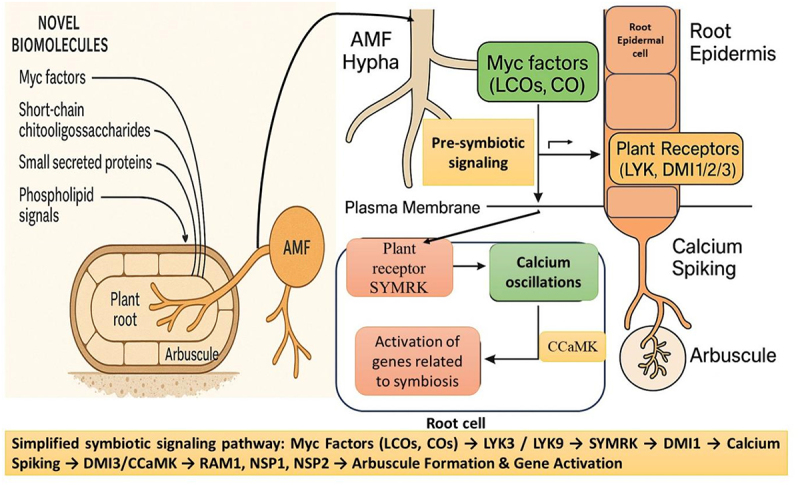
Fig. 5. The mechanism of arbuscular mycorrhizal fungi (AMF) symbiotic relationship with a plant (Samanta et al., 2025).
The fungus sends out its mycorrhizal factors, which are chemical signals letting the baobab tree know that the fungi want to interact with it. The signalling molecules produced from the fungus in this step are lipo-chitooligosaccharides (LCO) and chitin oligomers (CO). After the fungi have signalled to the tree their presence, the next step in this process is for the tree to receive the message that the fungi just sent out (Samanta et al., 2025).
The tree receives the signal through receptors on its root cells. The first receptor of the chemical signal is the lysine motif domain receptor-like kinase (LYK), which is on the tree’s root cell surface, whose job is to recognize the signal. The second receptor is symbiosis receptor-like kinase (SYMRK), and its job is to help transmit the signal from the LYK deeper into the tree’s cells. Following this, the tree’s cells need to process the information being received and decide how to respond (Samanta et al., 2025). This is done using calcium and calmodulin-dependent protein kinase (CCaMK), which is a protein inside the cell that acts like a signal processor. When the LCOs and COs enter the cell, there is a spike in calcium, and these processors pick up this sudden change. This results in them activating certain genes in the tree’s cells, allowing the fungus to enter and form the symbiotic connection. The genes that are activated are: nodulation signaling pathway (NSP), requires for arbuscular mycorrhization (RAM) and doesn’t make infection (DMI) (Samanta et al., 2025). NSP helps control changes inside the roots that make the symbiotic relationship possible, RAM helps form the arbuscule which is the structure where the nutrients are exchanged and DMI refers to the genes needed to allow fungal entry and prevent harmful infection. In general, these genes that are activated are responsible for making space inside the root cells for the fungus, guiding the fungus to the right spot without harming the plant and ensuring proper nutrient exchange structures form (formation of the arbuscules). Finally, once the arbuscles form, the exchange of nutrients and sugars happens, which allows the mutualistic symbiotic relationship to occur (Samanta et al., 2025).
Nutrient Recycling of Leaves:
An additional way that baobabs manage to obtain the nutrients they need while living in poor conditions is through nutrient recycling (Schueman, 2024). Nutrient recycling is the process by which nutrients are returned to the soil after being used so they can be used again, and most trees do this (Luo, 2023). In regard to the baobab, it is the leaves of the baobab tree that are high in nutrients and are being recycled (Schueman, 2024). The baobab leaves contain important nutrients, including calcium, potassium and polyphenolic compounds. Calcium builds strong cell walls by acting as a binding agent, cross-linking negatively charged pectin molecules together to form a rigid, stable structure called calcium pectate (Thor, 2025); potassium helps with water balance and nutrient movement in plants; and polyphenolic compounds are natural chemicals that act as antioxidants and further protect the plant (Abdulwaliyu et al., 2024).
Once the leaves fall, this is the moment that the nutrient recycling process begins, as seen in Figure 6.
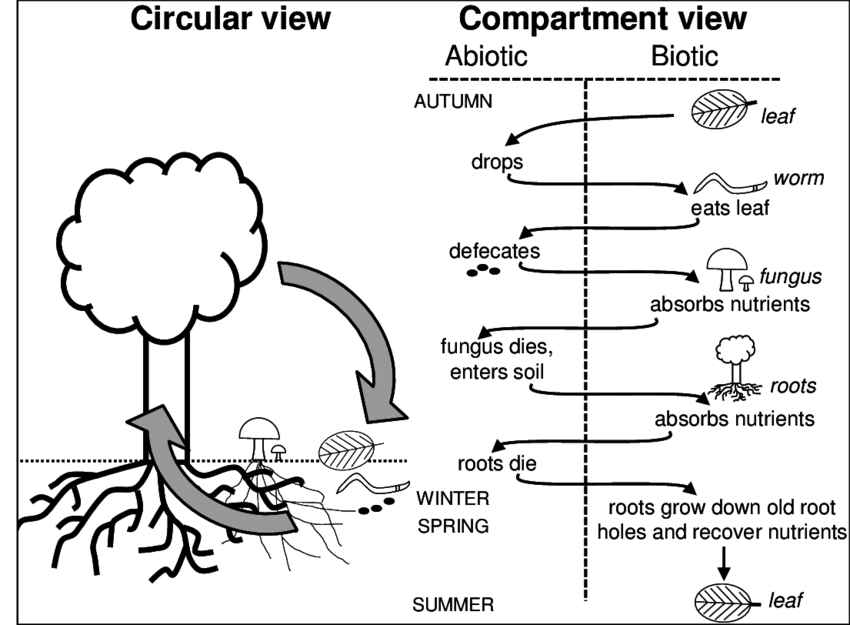
Fig. 6. Steps in nutrient recycling commenced when leaves fall from the tree (Shaw, n.d.)
The tree’s nutrient-rich leaves fall to the ground and break down over time. Eventually, after going through the nutrient recycling process described above, the nutrients make their way back into the soil and can then be taken up for the tree to use again (Luo, 2023). Therefore, even though the soil that surrounds the baobab trees is lacking in nutrients, like many drought-adapted trees, the baobab can recycle and store its internal nutrients, allowing it to remain strong and healthy (Coe et al., 2013).
Antioxidant Defense System
The baobab tree has adapted to survive in some of the most extreme environments on Earth, where heat, sunlight, and drought constantly threaten its survival. To endure these conditions, the tree relies on natural protective systems that keep its cells stable and functioning. One of the most important of these systems involves antioxidants. Although antioxidants are present throughout the baobab, they are especially concentrated in the leaves and fruit, where they play vital roles in maintaining cellular health and longevity.
General Mechanism
The baobab has grown in popularity as a food product with much health benefits and is often touted as containing large amounts of antioxidants (Ajmera, 2023). My mom will be the first person to tell you that antioxidants are good for you, but if you ask her what antioxidants actually are, you will probably hear that “well… they are good for you!” Indeed, most people have already heard the word “antioxidant,” but few know what they are. So, what do they do?
The main mechanism of antioxidants is to help an organism balance the number of free radicals in the body (Angeles-Valencia et al., 2022). A free radical is a compound with an unpaired valence electron. This unpaired electron makes the compound highly reactive, as it will very willingly take up another electron. These molecules can cause oxidation to proteins, carbohydrates, lipids, and nucleic acids, as seen in Figure 7. (Angeles-Valencia et al., 2022).

Fig. 7. High reactive oxygen species (ROS) concentration (ROS are radicals involving oxygen) and their effect on proteins, DNA, and lipids (Sharma et al., 2012).
High concentrations of reactive oxygen species (ROS) can damage essential biomolecules in several ways. Figure 7 illustrates how far-reaching the negative impacts of ROS can be on cellular functioning. It becomes clear that ROS not only affect molecules but whole biological systems. Together, these processes disrupt normal cellular function, emphasizing the importance of antioxidants in preventing oxidative damage by giving free radicals some of their own electrons and effectively neutralizing them, as demonstrated in Figure 8 (Harvard, 2019).

Fig. 8. Process of oxidative stress, showing how free radicals form when molecules lose electrons and how antioxidants stabilize them by donating electrons to prevent further cellular damage (Shenfield, 2025).
Antioxidants may come in many shapes and sizes and are not limited to specific types of biomolecules. Here is a list of notable antioxidants: Vitamin C, Vitamin E, Lycopene, β-Carotene, and Gallic Acid (Angeles-Valencia et al., 2022).
Environmental Triggers of Oxidative Stress
The baobab’s long lifespan depends on its ability to maintain a powerful antioxidant defense system, yet this system is constantly challenged by the harsh environments where the tree grows. In the intense heat and sunlight of tropical regions, large amounts of free radical, especially ROS, are produced, leading to constant oxidative stress on plant tissues. These highly reactive oxygen-based molecules can be formed in two main ways. Some are created by external environmental factors, abiotic sources, while others result from normal biological processes inside the plant, biotic sources.
Among the abiotic causes, UV radiation is one of the most significant (Arena et al., 2019). This is particularly challenging for the baobab, which grows mainly in hot, sunny areas near the equator (Petruzzello, 2025). In these regions, the sun’s rays strike the Earth more directly, meaning less UV light is absorbed and scattered by the atmosphere as seen in Figure 9 (Rosie on the House, 2021).

Fig. 9. Diagram illustrating how the Sun’s rays reach the Earth at different angles depending on latitude. Near the equator, sunlight travels a shorter path through the atmosphere and covers a smaller surface area, resulting in more direct and concentrated solar radiation (Rosie on the House, 2021).
Another source of abiotic reactive oxygen species is drought conditions (Sharma et al., 2012). During drought stress, plants experience higher ROS production because the photosynthesis process gets disrupted. When water availability is low, the uptake of CO₂ decreases, which slows the Calvin cycle and reduces the regeneration of NADP⁺. With fewer NADP⁺ molecules available as electron acceptors, excess electrons accumulate and leak to oxygen molecules, resulting in elevated ROS formation (Sharma et al., 2012).
Antioxidant Defense in Baobab Leaves and Fruit
Baobab leaves are remarkably rich in antioxidants. Polyphenols, which are naturally occurring plant molecules known for their ability to neutralize ROS and prevent oxidative damage, play a central role in this defense. To assess their abundance, researchers extracted polyphenols from baobab leaves and flowers using three solvents of differing polarity: petroleum ether, isobutanol, and methanol. As shown in Figure 10, methanol proved to be the most effective solvent, revealing that leaves contain far greater polyphenol concentrations than flowers (Sithara et al., 2024). This highlights the leaf’s function as one of the tree’s primary antioxidant reservoirs.

Fig. 10. Polyphenol content of leaves and flowers from the baobab in the cities of Ajanur and Thalassery. The polyphenol extraction was done with these different solvents: PE = Petroleum ether, ISO = Isobutanol, M = Methanol (Sithara et al., 2024).
Another key part of the baobab’s natural defense system operates within its photosynthetic system, which is the system of pigments and reactions in its leaves that capture sunlight and convert it into energy (Sharma et al., 2012). During photosynthesis, sunlight energizes pigment molecules like chlorophyll, driving the reactions that produce glucose. However, when light or temperature levels become too high, this system can absorb more energy than it can safely use. The excess energy can escape to nearby oxygen molecules, creating reactive oxygen species (ROS), as mentioned above. These highly reactive molecules can damage pigments, membranes, and proteins inside the chloroplast, reducing the plant’s ability to carry out photosynthesis effectively (Sharma et al., 2012).
To prevent this, baobab leaves rely on antioxidants that protect these pigments from oxidation. This protective role was examined through tests of several plant extracts, including baobab, for their ability to prevent the oxidation of β-carotene, a pigment that helps absorb excess light and shields chlorophyll from photooxidative stress (Nhukarume et al., 2010). As shown in Figure 11, the slower the decrease in absorbance, the stronger the antioxidant protection, because it indicates that β-carotene remains intact for longer. Baobab extracts displayed one of the slowest declines in absorbance, meaning they were among the most effective at preventing pigment oxidation (Nhukarume et al., 2010).

Fig. 11. Antioxidant activity of various plant extracts measured by their ability to prevent β-carotene oxidation in a model system using Strychnos spinosa oil. Extracts include (△) Adansonia Digitata, (▲) Strychnos Spinosa, (⬤) Parinari Curatelifolia, (■) Baobab Nectar, (○) Citrus Sinensis, (□) Hydroxyl anisol (Nhukarume et al., 2010).
Having explored the antioxidant defense system in the baobab’s leaves, a similar protective mechanism can be observed in its fruit. However, before exploring the antioxidant behaviour of the baobab fruit, it is important to understand its structural composition. As shown in Figure 12, the outer epicarp makes up about 45% of the fruit’s wet weight and forms a hard, velvety shell that protects the inside from heat and moisture loss, allowing the fruit to survive long dry seasons (Silva et al., 2023). Inside this shell is the white, powdery pulp, which accounts for about 15% of the wet weight and surrounds the many dark brown seeds that make up roughly 40% of the fruit’s mass. The pulp separates easily from the seeds when the fruit is cracked open, revealing the fibrous threads that run through the interior (Silva et al., 2023).

Fig. 12. Anatomical structure of the baobab fruit showing the protective outer shell, nutrient-rich pulp, fibrous filaments, and enclosed seeds that together enable the fruit to retain moisture and remain viable during long dry seasons (Baobabfoods, 2025, https://www.baobabfoods.com/blog/baobab-powder-guide/)
Antioxidants essentially enable the baobab fruit to preserve its cellular integrity and nutrient content, allowing it to retain moisture and endure months of intense sunlight and drought without rotting or losing vitality (Silva et al., 2023).
Interestingly, the same antioxidant mechanisms that protect the baobab fruit from its harsh environment also provide significant physiological benefits to animals such as lemurs that feed on it. When ingested, the bioactive molecules, particularly polyphenols, act locally within the digestive tract, influencing how carbohydrates are broken down and absorbed. In lemurs, as in other mammals, these compounds can inhibit digestive enzymes such as α-amylase and α-glucosidase, moderating glucose release and stabilizing blood sugar levels after feeding (Silva et al., 2023; Coe et al., 2013). By forming hydrogen bonds with these enzymes, which catalyze the hydrolysis of starch into glucose, polyphenols partially block their active sites and slow digestion, leading to a steadier energy supply rather than sharp glucose spikes as seen in Figure 13 (Ayua et al., 2021).

Fig. 13. Process showing how polyphenols inhibit digestive enzymes α-amylase and α-glucosidase, slowing the breakdown of starch into glucose (Ayua et al., 2021).
This inhibitory effect was demonstrated experimentally when researchers incorporated baobab extract into white bread, finding that even a small concentration of 1.88% significantly reduce rapidly digestible starch and lower the postprandial blood glucose in human subjects (Coe et al., 2013). Figure 14 represents the decline in sugar release with increasing baobab concentration in bread, confirming that its antioxidant polyphenols and soluble fiber work synergistically to moderate starch hydrolysis and stabilize glycemic response. This dual antioxidant and enzyme-inhibitory chemistry contribute to reduce oxidative stress, as lower blood glucose fluctuations decrease the formation of reactive oxygen species and help maintain redox homeostasis at the cellular level (Silva et al., 2023).

Fig. 14. Representation of the effect of increasing baobab extract concentration in bread on postprandial blood glucose, showing reduced glucose release and stabilized glycemic response due to the synergistic action of polyphenols and soluble fibre (Coe et al., 2013).
It is important to note that it is not only the lemurs that benefit from this interaction. The relationship between the baobab and lemurs, as well as many other animals, is mutualistic, benefiting both the tree and the animals that feed on its fruit. While animals such as lemurs benefit from consuming the antioxidant-rich fruit, experiencing a moderated glycemic response, the baobab tree itself also gains an evolutionary advantage. As these animals ingest the fruit, the seeds pass through their digestive systems, a process that naturally breaks seed dormancy, which is the state in which seeds remain inactive until conditions are favorable for growth, and enhances germination once the seeds are eventually expelled by the animals (Offiah & Falade, 2023). This process disperses viable seeds across wide areas, promoting the baobab’s survival and reproduction. Thus, both the consumer and the tree benefit from this exchange (Offiah & Falade, 2023).
Overall, the baobab’s remarkable antioxidant capacity found throughout its fruit and leaves demonstrates how the tree has evolved to survive under extreme environmental pressures in an environment where free radicals are abundant. Resisting oxidative stress caused by drought and UV radiation, the baobab protects its seeds and photosynthetic pigments. This powerful antioxidant defense system is necessary if the baobab wants to live up to its nickname “the tree of life.”
Conclusions
In conclusion, the baobab uses both chemistry and physics to cement its place in an ecosystem where most seem to struggle. Since rain is rare in the arid climates where the baobab tree lives, it has adapted to have larger vacuoles in its parenchyma cells in the stem, which helps the tree store more water. Furthermore, on a molecular scale, pectin-based hydrogels in the cell wall swell with water, and mucilage in leaves helps retain even more water in seedlings during drought conditions. For nutrients, the baobab has entered a symbiotic relationship with mycorrhizal fungi. The fungi help the tree gather nutrients while the tree provides sugars, a valuable resource, as the fungi are underground and cannot make them through photosynthesis. What’s more, the tree can recycle its own leaves for nutrients. While the environment it lives in contains an abundant source of ROS, the baobab has developed a large arsenal of antioxidants to combat oxidative stress. Moreover, the protection of antioxidants preserves the moisture, nutrients, and seed health of the fruit throughout harsh seasons. Lastly, a mutualistic relationship between the baobab and lemurs help spread the tree’s seeds, all the while providing important antioxidants to lemurs who eat the fruit. All these adaptations, water and nutrient management, make the tree extremely efficient, which is necessary if it wants to thrive for millennia in an unmerciful environment.
While all these adaptations are important for the baobab tree and fascinating to study, some of its solutions can be useful for animals. Notably, its antioxidant potential found in many areas of the tree can be used for animal consumption. Indeed, the glycemic response of animals when eating the fruit is damped, which reduces the negative effects of glucose spikes. Moreover, consumption of foods with antioxidants has been associated with better health (Mayo Foundation, 2025). In this way, the “tree of life” shares some of its remarkable biological solutions with other species. Even beyond its practical uses, the ongoing study of the baobab continues to reveal ingenious examples of natural adaptation.
References
References
Abdulwaliyu, I., Arekemase, S. O., Batari, M. L., Oshodin, J. O., Mustapha, R. A., Ibrahim, D., Ekere, A. T., & Olusina, O. S. (2024, December 7). Nutritional and pharmacological attributes of baobab fruit pulp - food production, processing and Nutrition. BioMed Central. https://fppn.biomedcentral.com/articles/10.1186/s43014-024-00283-z
Ajmera, R. (2023, July 12). Top 6 benefits of Baobab Fruit and powder. Healthline. https://www.healthline.com/nutrition/baobab
Alba, K., Offiah, V., Laws, A. P., Falade, K. O., & Kontogiorgos, V. (2020). Baobab polysaccharides from fruits and leaves. Food Hydrocolloids, 106, 105874. https://doi.org/10.1016/j.foodhyd.2020.105874
Angeles-Valencia, M., Apak, R., Asadi-Samani, F., Asadi-Samani, M., Neslihan Avan, A., Pires Barsalobra, K., Bastos, E. L., Capanoglu, E., Carpena, M., Caruso, G., Carvalho, F., Chakraborty, R., Chamorro, F., Chatterjee, I., Chavan, R. F., Collazo, N., Dahiya, S., Das, M., Das, S., (…), Yilmaz, F. M. (2022). Plant Antioxidants and health. Reference Series in Phytochemistry. https://doi.org/10.1007/978-3-030-78160-6
Arena, C., Vitale, L., Bianchi, A., Mistretta, C., Vitale, E., Parisi, C., Guerriero, G., Magliulo, V., & De Maio, A. (2019). The ageing process affects the antioxidant defences and the poly (adpribosyl)ation activity in cistus incanus L. leaves. Antioxidants, 8(11), 528. https://doi.org/10.3390/antiox8110528
Ayua, E. O., Nkhata, S. G., Namaumbo, S. J., Kamau, E. H., Ngoma, T. N., & Aduol, K. O. (2021). Polyphenolic inhibition of enterocytic starch digestion enzymes and glucose transporters for managing type 2 diabetes may be reduced in food systems. Heliyon, 7(2). https://doi.org/10.1016/j.heliyon.2021.e06245
Baobabfoods. (2025, June 26). Ultimate Guide to baobab powder: Baobest. Baobab Foods. https://www.baobabfoods.com/blog/baobab-powder-guide/
Chapotin, S. M., Razanameharizaka, J. H., & Holbrook, N. M. (2006a, February). Baobab trees (Adansonia) in Madagascar use stored water to flush new leaves but not to support stomatal opening before the rainy season. New Phytologists, 169(3), 549-559. https:doi.org/10.1111/j.1469-8137.2005.01618.x
Chapotin, S. M., Razanameharizaka, J. H., & Holbrook, N. M. (2006b, September). A biomechanical perspective on the role of large stem volume and high water content in baobab trees (Adansonia spp.; Bombacaceae). Anatomy and Morphology, 93(9), 1251-1264. https://doi.org/10.3732/ajb.93.9.1251
Coe, S. A., Clegg, M., Armengol, M., & Ryan, L. (2013). The polyphenol-rich baobab fruit (adansonia digitata L.) reduces starch digestion and glycemic response in humans. Nutrition Research, 33(11), 888–896. https://doi.org/10.1016/j.nutres.2013.08.002
Delmer, D., Dixon, R. A., Keegstra, K., & Mohnen, D. (2024). The plant cell wall–dynamic, strong, and adaptable–is a natural shapeshifter. The Plant Cell, 36(5), 1257-1311. https://doi.org/10.1093/plcell/koad325
Etale, A., Onyianta, A. J., Turner, S. R., & Eichhorn, S. J. (2023). Cellulose: A Review of Water Interactions, Applications in Composites, and Water Treatment. Chem Rev, 123(5), 2016-2048. https://doi.org/10.1021/acs.chemrev.2c00477
Ezekiel, O., Yisau, J. A., & Aduraola, A. M. (2024, June 1). Effect of watering regime and mycorrhizal inoculation on the growth of baobab (adansonia digitata) – doaj. Journal of Agriculture and Environment for International Development. https://doaj.org/article/3a32550070134178bd0b2f3571d80022
Irondi, E. A., Akintunde, J. K., Agboola, S. O., Boligon, A. A., & Athayde, M. L. (2016). Blanching influences the phenolics composition, antioxidant activity, and inhibitory effect of adansonia digitata leaves extract on α‐amylase, α‐glucosidase, and aldose reductase. Food Science & Nutrition, 5(2), 233–242. https://doi.org/10.1002/fsn3.386
Kamatou, G. P. P., Vermaak, I., & Viljoen, A. M. (2011). An updated review of Adansonia digitata: A commercially important African tree. South African Journal of Botany, 77(4), 908–919. https://doi.org/10.1016/j.sajb.2011.08.010
Lisao, K., Geldenhuys, C. J., & Chirwa, P. W. (2017). Traditional uses and local perspectives on baobab (adansonia digitata) population structure by selected ethnic groups in northern Namibia. South African Journal of Botany, 113, 449–456. https://doi.org/10.1016/j.sajb.2017.09.014
Luo, Y. (2023). Nutrient cycling: Research starters: EBSCO research. EBSCO. https://www.ebsco.com/research-starters/earth-and-atmospheric-sciences/nutrient-cycling
Mayo Foundation for Medical Education and Research. (2025, January 25). Add antioxidants to your Diet. Mayo Clinic. https://www.mayoclinic.org/healthy-lifestyle/nutrition-and-healthy-eating/in-depth/add-antioxidants-to-your-diet/art-20546814
Nhukarume, L., Chikwambi, Z., Muchuweti, M., & Chipurura, B. (2010). Phenolic content and antioxidant capacities of Parinari curatelifolia, Strychnos spinosa and Adansonia digitata. Journal of Food Biochemistry, 34, 207–221. https://doi.org/10.1111/j.1745-4514.2009.00325.x
Nefronus. (2019, July 31). Mutualistic mycorrhiza cs.svg [Illustration]. Wikimedia Commons. https://commons.wikimedia.org/wiki/File:Mutualistic_mycorrhiza_cs.svg

Offiah, V. O., & Falade, K. O. (2023, June). Potentials of baobab in food systems. Science Direct. https://www.sciencedirect.com/science/article/pii/S2772502223000380
Petruzzello, M. (n.d.). Baobab. Encyclopædia Britannica. https://www.britannica.com/plant/baobab-tree-genus
Patrut, A., Von Reden, K. F., Lowy, D. A., Alberts, A. H., Pohlman, J. W., Wittmann, R., Gerlach, D., Xu, L., & Mitchell, C. S. (2007). Radiocarbon dating of a very large African baobab. Tree Physiology, 27(11), 1569–1574. https://doi.org/10.1093/treephys/27.11.1569
Rosie on the House. Rosie On The House. (2021, January 8). https://rosieonthehouse.com/diy/the-dangers-of-ultraviolet-radiation/
Said, N. S., Olawuyi, I. F., & Lee, W. Y. (2023). Pectin Hydrogels: Gel-Forming Behaviors, Mechanisms, and Food Applications. Gels, 9(9), 732. https://doi.org/10.3390/gels9090732
Samanta, I., Ghosh, K., Saikia, R., Savita, Maity, P. J., & Chowdhary, G. (2025, July). Arbuscular mycorrhizal fungi - a natural tool to impart abiotic stress tolerance in plants. Plant signaling & behavior. https://pmc.ncbi.nlm.nih.gov/articles/PMC12243912/#:~:text=One%20significant%20evolutionary%20adaptation%20to,the%20carbon%20fixed%20by%20plants.&text=Besides%20improving%20root%20functions%20and,nutrient%20cycling%2C%20and%20carbon%20sequestration.&text=Arbuscular%20mycorrhizal%20fungi%20(AMF)%20can,(Tables%201%20and%202).
Schueman, L. J. (2024, May 30). African baobab tree: How One plant creates an entire habitat. One Earth. https://www.oneearth.org/species-of-the-week-african-baobab-tree/#:~:text=Baobab%20trees%20are%20fundamental%20to,where%20little%20else%20can%20thrive.
Sharma, P., Jha, A. B., Dubey, R. S., & Pessarakli, M. (2012). Reactive oxygen species, oxidative damage, and antioxidative defense mechanism in plants under stressful conditions. Journal of Botany, 2012, 1–26. https://doi.org/10.1155/2012/217037
Shaw, D. (n.d.). Nutrients cycle along pathways. nutrients from fallen leaves... https://www.researchgate.net/figure/Nutrients-cycle-along-pathways-Nutrients-from-fallen-leaves-pass-through-worms-and-are_fig1_277236412
Silva, M. L., Rita, K., Bernardo, M. A., Mesquita, M. F., Pintão, A. M., & Moncada, M. (2023). Adansonia digitata L. (baobab) bioactive compounds, biological activities, and the potential effect on glycemia: A narrative review. Nutrients, 15(9), 2170. https://doi.org/10.3390/nu15092170
Sithara, Z., Anju, T., & Kumar, A. (2024). Natural variation in the nutritional composition of African baobab (adansonia digitata L.) from two ecological sites in northern Malabar, Kerala, India. Trees, Forests and People, 17, 100644. https://doi.org/10.1016/j.tfp.2024.100644
Slupianek, A., Dolzblasz, A., & Sokolowska, K. (2021). Xylem Parenchyma–Role and Relevance in Wood Functioning in Trees. Plants, 10(6), 1247. https://doi.org/10.3390/plants10061247
Thor, K. (2025, October 27). Calcium-nutrient and messenger. Frontiers. https://www.frontiersin.org/journals/plant-science/articles/10.3389/fpls.2019.00440/full
Understanding antioxidants. Harvard Health. (2019, January 10). https://www.health.harvard.edu/staying-healthy/understanding-antioxidants
Van den Bilcke, N., De Smedt, S., Simbo, D. J., & Samson, R. (2013). Sap flow and water use in African baobab (Adansonia digitata L.) seedlings in response to drought stress. South African Journal of Botany, 88, 438-446. https://doi.org/10.1016/j.salb.2013.09.006
Vertuani, S., Braccioli, E., Buzzoni, V., & Manfredini, S. (2002). Antioxidant capacity of Adansonia digitata fruit pulp and leaves. Acta Phytotherapeutica. https://www.researchgate.net/publication/242716596_Antioxidant_capacity_of_Adansonia_digitata_fruit_pulp_and_leaves