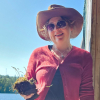
Beauregard, Frieda
Academic title(s): Academic Associate;
Curator, McGill University Herbarium
Research areas: Extension and community engagement

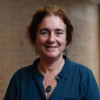
Begg, Caroline
Academic title(s): Faculty Lecturer;
Director of Stage, Farm Management and Technology Program
Research areas: Extension and community engagement
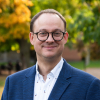
Charron, Jean-Benoit
Academic title(s): Associate Professor;
Associate Dean (Graduate Education)
Research areas: Biotechnology and molecular genetics
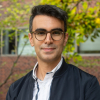
Dastmalchi, Mehran
Academic title(s): Assistant Professor
Research areas: Biotechnology and molecular genetics, Cell biology, development and imaging
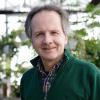
Dutilleul, Pierre R.L.
Academic title(s): Professor
Research areas: Sustainable agriculture and climate resilience, Plant biotic interactions, Cell biology, development and imaging

Geitmann, Anja
Academic title(s): Interim Vice-President (Global Engagement); McGill University
Professor, Faculty of Agricultural and Environmental Sciences;
Canada Research Chair (Tier 1) in Biomechanics of Plant Development
Research areas: Cell biology, development and imaging

Gravel, Valérie
Academic title(s): Associate Professor
Research areas: Sustainable agriculture and climate resilience, Plant biotic interactions, Extension and community engagement
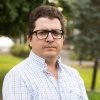
Hoyos-Villegas, Valerio
Academic title(s): Assistant Professor
Research areas: Sustainable agriculture and climate resilience, Biotechnology and molecular genetics, Crop improvement and genomics, Extension and community engagement

Seguin, Philippe
Academic title(s): Professor
Research areas: Sustainable agriculture and climate resilience, Extension and community engagement
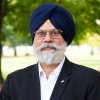
Singh, Jaswinder
Academic title(s): Associate Professor;
Associate Member, Bieler School of Environment
Research areas: Sustainable agriculture and climate resilience, Biotechnology and molecular genetics, Crop improvement and genomics

Smith, Don
Academic title(s): Distinguished James McGill Professor
Research areas: Sustainable agriculture and climate resilience, Plant biotic interactions

Strömvik, Martina
Academic title(s): Departmental Chair;
Associate Professor
Research areas: Biotechnology and molecular genetics, Crop improvement and genomics, Cell biology, development and imaging
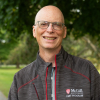
Wees, David
Academic title(s): Faculty Lecturer;
Associate Director, Farm Management and Technology Program
Research areas: Extension and community engagement
